Free pet sitting? Do housesitters really receive free accommodation?
To outsiders, housesitting can sound like a clever loophole: travellers live in comfortable homes, seemingly as free pet sitting, while pet parents enjoy no-cost care. In everyday conversation, it is easy to slip into shorthand such as “free stays” or “rent‑free life”, which reinforces the idea that sitters are simply lucky guests. Yet members of housesitting communities increasingly stress that what looks like free pet sitting is in fact a structured exchange of responsibilities for avoided housing costs.
- Some pet parents view the arrangement as giving a sitter free accommodation in return for basic, good‑will pet care rather than a defined service
- Some housesitters see membership as a ticket to free shelter and underestimate the money and effort still required to reach and manage each sit
- Experienced hosts and sitters tend to describe a healthy sit as a fair trade in which attentive care is exchanged for the chance to live comfortably without paying rent
INSIDER – Newcomer pet parents and housesitters may initially struggle if their expectations largely originate from marketing slogans of housesitting platforms. Such marketing may greatly simplify housesitting processes and the core symbiotic ‘trade’ that is required between pet parents and housesitters for both parties to confirm a housesit.
INSIDER – Pet parents that approach housesitters as free labour (yep, happens); offer unattractive properties; demand unreasonable pet care; or introduce unappealing stipulations are likely to attract few, if any, housesitter applications.
INSIDER – Housesitters that approach housesitting process as simply selecting AirBnB properties; underestimate pet care responsibilities; discount travel & other costs are likely to quickly lose interest.
Free pet sitting? Key topics to consider
Free pet sitting – Understanding free housesitting
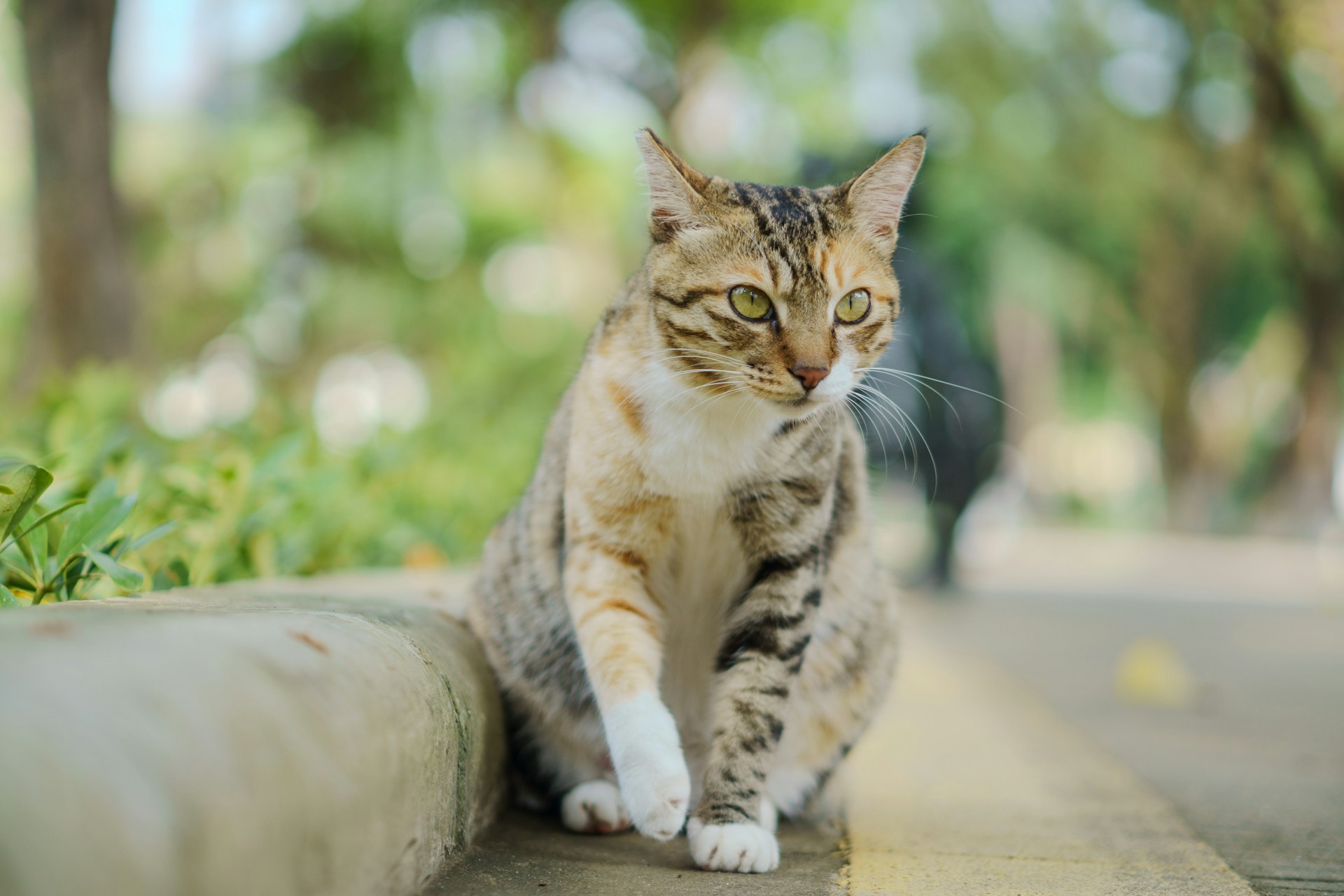
At its core, housesitting is a barter: the sitter provides reliable care for pets and property, and in return lives in the home without paying rent. No wage is paid to housesitter and no nightly rate is charged by housesitter, which leads many people to label the stay “free”, but both sides give up something of value. Pet parents forego privacy and invite a stranger into their home; sitters commit their time and accept responsibility for animals and assets that are not their own.
From a financial perspective, avoiding hotel or boarding bills can be a major saving for both sides. In the United States, a typical paid pet sitter can cost around 80 dollars a night, while boarding three weeks of pets can add up to hundreds of dollars. When accommodation costs in many cities easily exceed 150 dollars per night, a sitter who secures several weeks of housesits can save the equivalent of thousands in rent or hotel stays each year. However, these avoided costs do not mean that the experience is entirely free; they represent value received in exchange for work, responsibility and up-front fees.
The model differs from commercial pet sitting or holiday rentals. A paid sitter receives money and can charge extra for tasks such as gardening or cleaning, while a tenant gains legal housing rights in return for rent. In a housesit, by contrast, the sitter’s reward is the avoided cost of hotels or rent, often worth hundreds or thousands over a long assignment, and the host’s reward is trustworthy, in‑home care that lets them travel without boarding bills. Seen this way, “free” really describes cashless exchange rather than the absence of cost, and concept of “free pet sitting” is likely significantly misleading.
Free pet sitting – Membership Fees: The Only Fixed Cost

For most people using organised platforms, the only predictable, upfront expense is the annual membership fee. Sitters pay to join a curated network of listings, vetting tools and communication systems; pet parents pay to advertise their home, screen applicants and read reviews.
For pet sitters, recent pricing examples show tiers ranging roughly from 129 to 259 US dollars per year, with basic plans offering access to listings and premium plans bundling extras like cancellation cover and airport lounge passes. Pet parents typically pay slightly higher fees per year than sitters or can purchase a combined plan that includes both roles. These fees are low compared to accommodation costs so many sitters quickly recoup their outlay.
Membership usually buys more than just access. Platforms invest in identity checks, secure messaging and review systems that help both sides judge reliability before handing over keys. Some offer optional tiers that add benefits such as limited insurance, vet‑advice lines or cancellation support if a sit falls through at the last moment. The actual terms of such additional benefits may pale in comparison to related marketing.
On top of this, some services now charge small booking fees per confirmed sit or bundle these charges into higher‑priced “premium” plans, which can pay off for heavy users who book frequently throughout the year. The important point is that membership fees are the only cost a sitter can plan for with certainty; everything else depends on how, where and how often they choose to travel.
Free pet sitting – The Hidden Costs of Housesitting

Once a sitter leaves home, the quiet expenses begin. Travel to and from each sit – airfares, trains, buses, petrol or tolls – is almost always the largest single cost and is rarely reimbursed by hosts. A “free” fortnight in an attractive property may look rather less of a bargain after inclusion of any flights, other travel costs, and any car rental costs.
Local living costs also add up. Without a car, sitters may rely on taxis or long bus rides for vet visits, supermarket trips or sightseeing, particularly in rural areas. City sits can be no cheaper if parking, congestion charges or higher food prices eat into savings. A minority of pet parents ask, ideally transparently during their listing, that sitters are expected to contribute to utility or other costs during long stays. Many sitters may consider this an unreasonable breach of core housesit ethos culture but a few may agree as part of the overall trade, say if the opportunity has atypically attractive attributes.
There are risk‑related costs too. Prudent sitters budget for travel or health insurance and, in some countries, specific pet‑sitting liability cover. In rare cases, pet parents may cancel a housesit leaving the sitter scrambling to secure alternative accommodation. While good pet parents pre-authorize expenses at their vet then a few may leave sitters to fund emergency expenses and reclaim from pet parent. Hidden costs do not negate the value of housesitting, but they do mean that “free” accommodation is rarely costless.
Free pet sitting – The Investment of Time and Effort

Housesitting also demands a serious investment of unpaid time. New sitters must build detailed profiles, gather references and write multiple applications before securing their first opportunities, often competing against dozens of other hopefuls for popular urban listings. Even experienced sitters describe checking alerts several times a day and tailoring each message to the specific pets, home and dates.
The work continues once a sit is confirmed. Pet sitters need to absorb long handover notes, learn feeding routines, understand medication schedules and master household systems ranging from alarm codes to heating controls. During the stay they must keep the property secure, maintain cleanliness, manage deliveries and deal calmly with any minor crisis, from leaking pipes to power cuts.
Communication is another, often overlooked, part of the job. Many hosts appreciate regular photo updates and prompt responses to questions while they are away, which takes attention and empathy. At the end of the assignment, sitters usually deep‑clean the home, wash linens and sometimes restock basic groceries so that owners return to a welcoming space. None of this labour appears on a bank statement, but it is the price of being trusted with someone else’s home.
Free pet sitting – Opportunity Costs and Lifestyle Adjustments
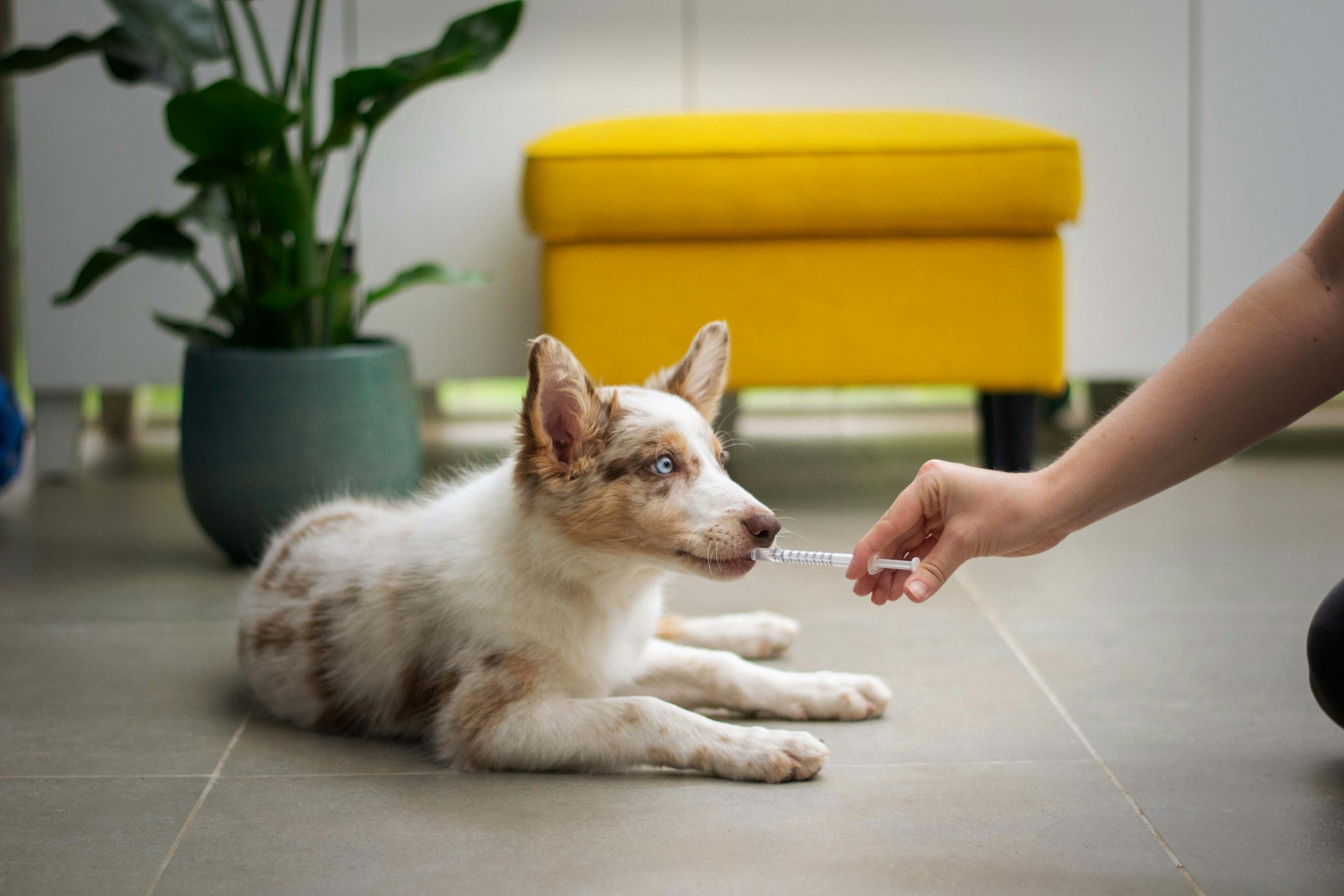
Because the primary duty is to the animals, housesitting inevitably limits spontaneity. Many agreements specify how long pets can be left alone, which can rule out full‑day excursions or late nights out. A sitter caring for an elderly dog that needs medication every four hours, for example, is effectively house‑bound, even if a famous beauty spot lies an hour’s drive away. For travellers used to moving freely between sights and cities, the need to structure days around walks, feeding times and medication can feel like trading independence for a slower, home-based rhythm.
Living in other people’s homes also brings compromises. Sitters adapt to unfamiliar beds, kitchens and neighbourhoods, and must respect house rules about visitors, smoking, security cameras or use of vehicles. Privacy can feel limited compared with a rented flat or hotel room, especially on long sits in small towns where everyone knows the owner. Full‑time nomads who string back‑to‑back sits together may spend months without a stable social circle or a place to store personal possessions.
Even occasional sitters face trade‑offs. Parents might need to arrange extra childcare at home; employees may use annual leave on sits instead of purely leisurely holidays; self‑employed travellers have to weave client work around pet routines and patchy Wi‑Fi. These opportunity costs are harder to quantify than airfares or insurance, but they shape whether the lifestyle feels liberating or constraining.
Free pet sitting – When “Free” Becomes Rewarding
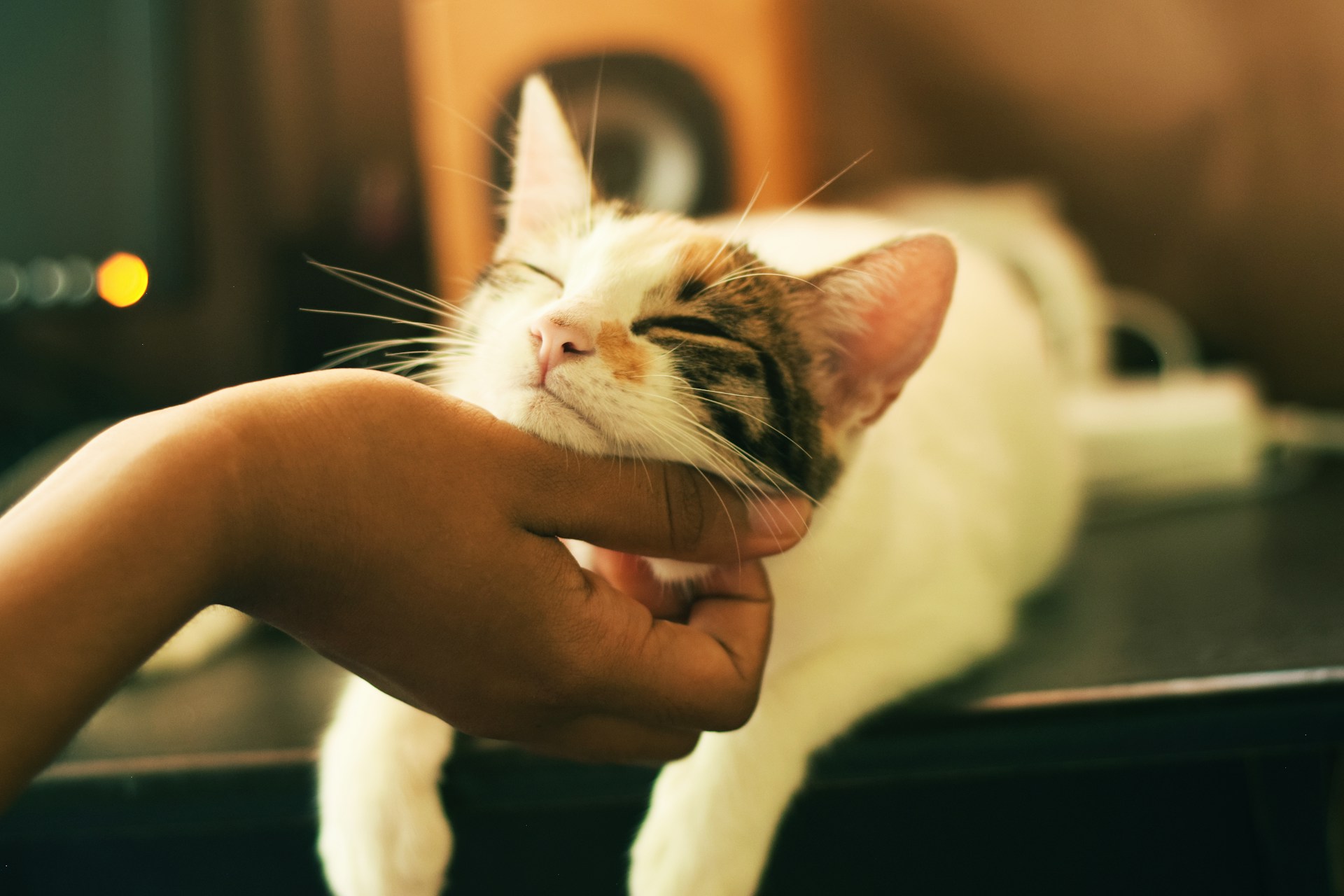
For many pet sitters, the non‑financial rewards more than compensate for the costs. Full-time pet sitters may spend a large proportion of each year in other person’s home, with only shelter costs of adhoc hotels or rentals. Long‑term sitters describe how years of assignments have saved them the equivalent of tens or even hundreds of thousands in accommodation. This can enable round‑the‑world travel or early semi‑retirement. Many pet sitters say the real gains are slower travel, deep connections with animals and friendships with hosts.
Housesitting offers an unusually intimate window into local life. Instead of staying in tourist districts, sitters shop where neighbours shop, walk in nearby parks each day and learn the quirks of a specific street, village or apartment block. Pet parents report that their animals stay calmer and healthier at home than in kennels, and many value returning to a lived‑in, well‑tended house rather than a dark, empty building.
Relationships often outlast a single sit. Hosts invite favourite sitters back year after year; sitters arrange detours to visit former charges; some even exchange holiday cards or meet each other’s families. It is this sense of mutual trust and shared experience that turns a cashless transaction into something more like a global community, and that makes the word “free” feel less about money and more about freedom.
Free pet sitting – Tips to Minimise Costs and Maximise Value

Practical planning can push the balance firmly in a sitter’s favour. Grouping assignments by geographic region and season reduces long‑haul flights and avoids expensive last‑minute journeys between distant sits. Choosing longer placements of a month or more spreads the cost of travel over many nights, bringing the effective nightly price well below that of hostels or rentals.
Sitters can also be strategic about membership. Those planning only one trip might opt for a basic tier and a small number of sits, while nomads who expect a busy calendar may justify higher‑priced plans that reduce booking fees or add cancellation cover. Keeping track everyday expenses – transport, insurance, food, incidentals – against the number of nights stayed makes it easier to see whether each year’s membership is earning its keep. While a MS Excel spreadsheet works, this Website encourages readers to consider PocketSmith – a leading, cost-effective budgeting and financial planning tool.
On the ground, sitters can look for ways to cut incidental expenses. Common tactics include cooking at home rather than eating out, using loyalty schemes for trains or airlines, and combining housesits with stays with friends to bridge gaps without costly hotels.
Free pet sitting – Cost varies by housesitter situation
The same sit can feel affordable to one person and expensive to another, depending on their baseline. A homeowner who takes a single two‑week sit each year might pay a membership fee, a domestic flight and local transport, but still spend less overall than they would on equivalent city accommodation. Their mortgage and utility bills at home continue regardless, so housesitting simply reduces the additional cost of travel.
Full‑time nomads see a different picture. They often see housesitting as one component of a broader cost-of-living strategy. Such people avoid rent or mortgage payments in a fixed home, which in typically a material lifestyle cost. Some full-time pet sitters generate rental income from their own property, or by investing sale proceeds. This has the potential to dramatically alter their overall financial position – though it may introduce landlord duties and investment management in addition to pet sitting responsibilities.
Then there are local professionals who house sit within commuting distance of their jobs, effectively swapping their own rent for a rolling series of sits. For them, the key question is whether the logistics of moving every few weeks are worthwhile compared with signing a traditional lease. In each case, “free accommodation” means different things once personal circumstances are taken into account.
Free pet sitting – Is Free Housesitting Right for You?
Assessing the viability of “free pet sitting” requires looking beyond marketing slogans to the full picture of costs, effort and rewards. Financially, most sitters gain significant value once membership fees and travel are weighed against what they would otherwise pay for hotels or rent, particularly in expensive cities or during peak holiday seasons. In practice, those savings are somewhat offset by travel, insurance, gaps between sits and the steady work of caring for animals and homes. Pet parents similarly avoid high boarding or paid-sitter rates while benefiting from personalised, in-home care for their animals.
However, the model suits some personalities and life stages better than others. Those who thrive are usually animal lovers who are comfortable taking responsibility, adaptable to different homes and cultures, and willing to invest time in communication and planning. They see the exchange as a partnership rather than a bargain hunt and accept that occasional costs – from emergency vet visits to travel gaps – are part of the deal. By contrast, travellers seeking a simple, low-effort holiday with guaranteed privacy, fixed itineraries and minimal obligations may find that the constraints and hidden costs outweigh the headline savings.
A sensible approach is to treat housesitting like any other lifestyle experiment. Start with one or two sits close to home, track every cost and note honestly how the routine feels. If, after those trials, the emotional rewards and financial savings outweigh the trade‑offs, then housesitting can offer something rarer than a free bed. While it may never equate to the marketing hype then it may offer a sustainable way to travel more slowly, live more lightly and build a web of relationships across the world.