Trusting house sitter strangers in your delightful home
Inviting a housesitter stranger into a home is, at heart, an emotional leap of faith. Many pet parents imagine worst‑case scenarios: a pet in distress, valuables mishandled, or a home that no longer feels like theirs on return. Yet thousands of sits take place quietly every year, with pets relaxed in familiar surroundings and owners returning to tidy homes, clean sheets, and content animals. The difference between anxiety and assurance lies less in luck and more in preparation, structure, and communication.
Online housesitting platforms have formalised what used to be arranged through neighbours or family friends, adding identity checks, reviews, and support teams. For a first‑time pet parent, though, the person walking through the door still feels like a stranger. It helps to recognise that this housesitter stranger is typically a dedicated pet lover; often traveling slowly; and willing to trade their time and care for the chance to live like a local. Many house sitters also carry their own worries about being monitored by cameras; about unclear expectations; and/or about a home that is not as described.
Framing the arrangement as a structured exchange – your home and pets in return for responsible care and free accommodation – shifts the mindset from fear to partnership. The rest of this article sets out practical steps to manage risk, protect privacy, and build trust on both sides, so that a “stranger” becomes a short‑term guardian rather than a source of sleepless nights.
- Recognise that anxiety about strangers in the home is normal but manageable
- View modern house sitting as a structured exchange supported by verification, diligence and reviews
- Aim to turn a stranger into a temporary guardian through preparation and communication
- Appreciate that trust is two-way, as the housesitter is providing care for unknown pet(s) in an unknown property
Trusting house sitter strangers – Common challenges & Actionable guidance
Trusting house sitter strangers – Common Concerns: Security, Privacy and Pet Safety

Most objections to having housesitter strangers in the home fall into a few clear categories: security, privacy, and pet welfare. Owners worry about unauthorised access, from spare keys being copied to friends being invited over without permission. They picture property damage, from broken heirlooms to water leaks or doors left unlocked. Some also fear that detailed listings and photographs online could advertise that a home will be empty, even if the presence of a sitter usually reduces burglary risk.
Privacy concerns increasingly centre on cameras and data. Sitter forums contain vivid debates about where owners place security cameras, whether they stay switched on, and how much monitoring is reasonable. Sitters, for their part, worry about hidden devices in bedrooms or bathrooms, while owners may want cameras active in living areas or gardens to keep an eye on pets. Layered on top are digital questions: shared Wi‑Fi, saved passwords in browsers, and smart‑home devices that quietly log activity.
There is the question that matters most to pet parents: will my animals be safe and content. Owners fear doors or gates left open, hazardous items left within reach, or a housesitter who misreads distress in a shy or anxious pet. Community stories include both nerve‑racking emergencies – sudden illness, escape attempts, family crises pulling sitters away – and reassuring accounts of pets thriving at home under calm, observant care.
- Identify your main worries in three buckets: security, privacy and pet wellbeing
- Accept that online photos and open homes carry risk but that a live-in sitter usually deters crime
- Treat cameras, data access and pet routines as topics for explicit agreements, not assumptions
Trusting house sitter strangers – Understanding the Housesitter’s Perspective
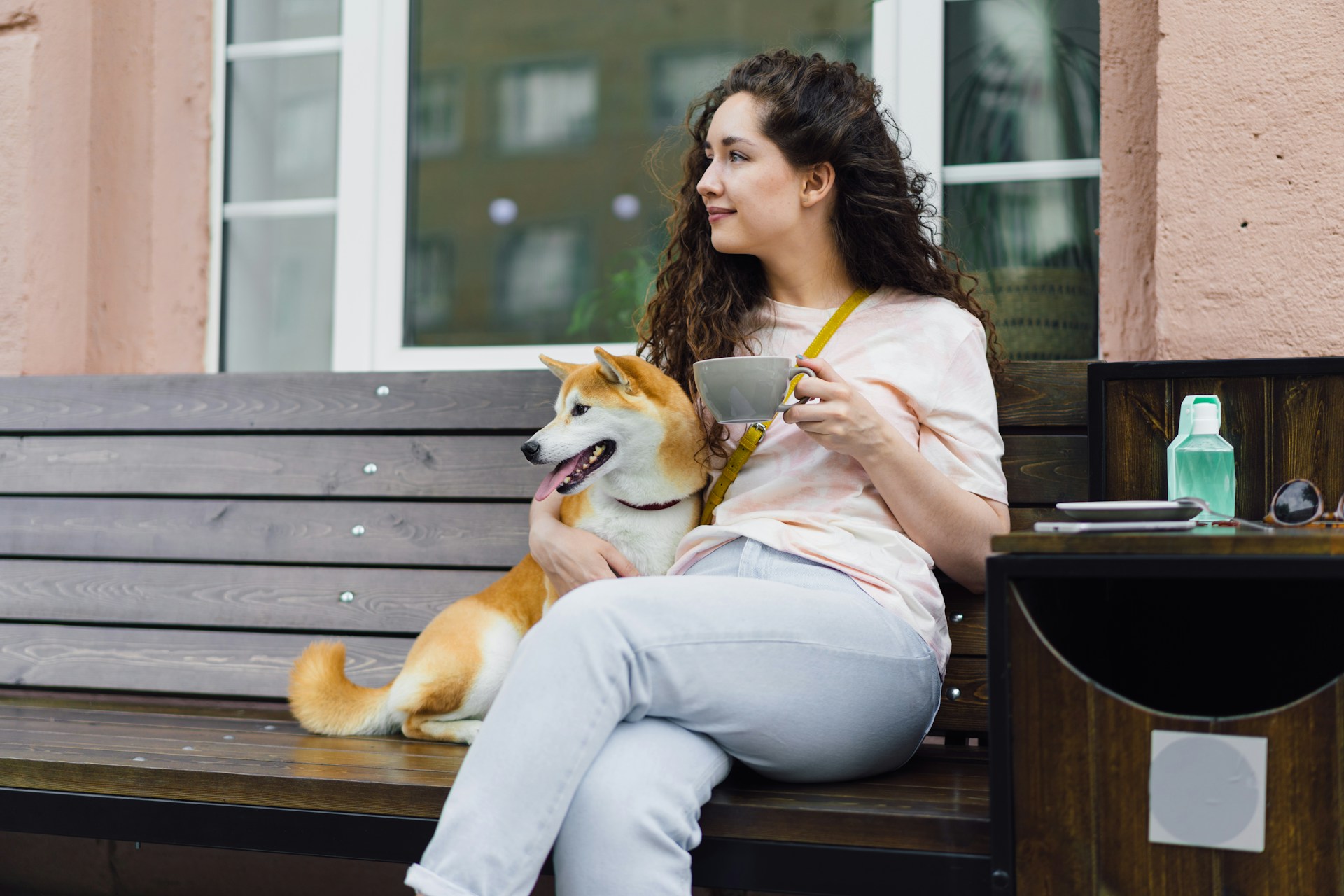
While owners focus on the risk of housesitter strangers in their home, sitters accept equal uncertainty when they step into someone else’s private space. Experienced sitters describe wondering whether the home will be clean and safe, whether cameras will be disclosed, and whether the owner will respect their privacy as a guest. Many travel solo or as couples, sometimes across continents, and must trust that the address is genuine, the neighbourhood safe, and the expectations realistic.
Sitters also worry about being micro‑managed from afar. Forum threads describe situations in which anxious owners request constant updates, use neighbours as informal inspectors, or review camera footage daily, leaving sitters feeling distrusted. In those cases, the home may feel less like a fair exchange and more like an unpaid job under supervision. Unsurprisingly, seasoned sitters often gravitate towards owners who appear calm, clear, and accustomed to the arrangement.
Most responsible sitters are motivated by a mix of factors: love of animals, slow travel, and the satisfaction of helping someone enjoy a break while their pets stay at home. Positive reviews are the currency that allows them to secure future sits, so there is a strong incentive to leave homes spotless and pets content. When owners understand that sitters are also weighing risk and reputation, it becomes easier to approach the relationship as a partnership built on mutual respect rather than as a one‑sided favour.
- Remember that sitters are entering a stranger’s home and also face risks and uncertainty
- Recognise that experienced sitters value clear expectations, reasonable privacy and calm, respectful hosts
- See reviews and repeat invitations as evidence that many sitters are motivated to protect both your home and their own reputation
Trusting house sitter strangers – How to Choose with Confidence

The most effective way to reduce fear about housesitter strangers is to turn them into known quantities before handing over the keys. Reputable platforms offer several tools that pet parents can use long before any booking is confirmed, including ID checks, background screenings, and structured profiles. Reading these profiles closely – from biographies to experience with specific species or medical needs – provides an initial filter that is more rigorous than relying on a casual recommendation from a friend.
Independent reviews are particularly powerful. Owners frequently report that they felt reassured when they saw multiple five‑star reviews, often from other nervous first‑timers who then became enthusiastic advocates. When a housesitter is new and lacks platform reviews, external references from employers, landlords, or prior clients can help fill the gap.
A video call is now a standard step before confirming any sit. Forums suggest covering not only pet routines and dates but also emergency procedures, visitors, cameras, and communication preferences during the stay. Owners can ask how the sitter would handle specific scenarios: a dog that bolts at the gate, a sudden illness, or a burst pipe. The goal is not to interrogate but to understand judgement and temperament. If doubts remain after this conversation, most experienced members advise walking away rather than overriding instincts.
- Use profiles and reviews to filter applicants before any commitment
- Arrange a thorough video call to test both practical fit and personal chemistry
- During video call or message, ask questions on any topics of seeming uncertainty or concern
Trusting house sitter strangers – Setting Clear Boundaries and House Rules

Even the most diligent screening cannot replace precise instructions. Clear written house rules transform an informal favour into a predictable arrangement. Many owners now provide a digital or printed welcome guide covering household access, restricted rooms, guest policies, and expectations on tidiness. For example, some lock a bedroom that holds valuables and confidential paperwork, both simplifying security and sparing sitters anxiety about breaking something precious.
Guest policies require particular clarity. If extra visitors, parties, or overnight guests are not allowed, this should be stated unambiguously, along with any local sensitivities such as neighbours who value quiet. Similarly, rules about using vehicles, home offices, or garden equipment should be explicit. Vague phrases like “treat the place as your own” leave too much room for interpretation. The aim is not to burden the sitter with pages of rules but to avoid misunderstandings that can sour an otherwise successful sit.
The fast‑evolving topic is cameras and monitoring. Housesitting platforms terms of service and housesitters expectations increasingly involve full disclosure of any indoor or outdoor cameras, along with a clear statement about whether they will be switched off in private areas during the stay. In some jurisdictions, recording audio or filming in bedrooms and bathrooms without consent may breach privacy or even local law. Agreeing in advance on what is acceptable protects both parties and prevents the sort of resentment that can arise when a sitter discovers undisclosed devices.
- Provide a written welcome guide with house rules, restricted areas and practical details
- State guest, vehicle and equipment policies explicitly rather than relying on assumptions
- Disclose all cameras, agree where they may operate and switch them off in any internal or private spaces
Trusting house sitter strangers – Preparing Your Home Safely and Sensibly
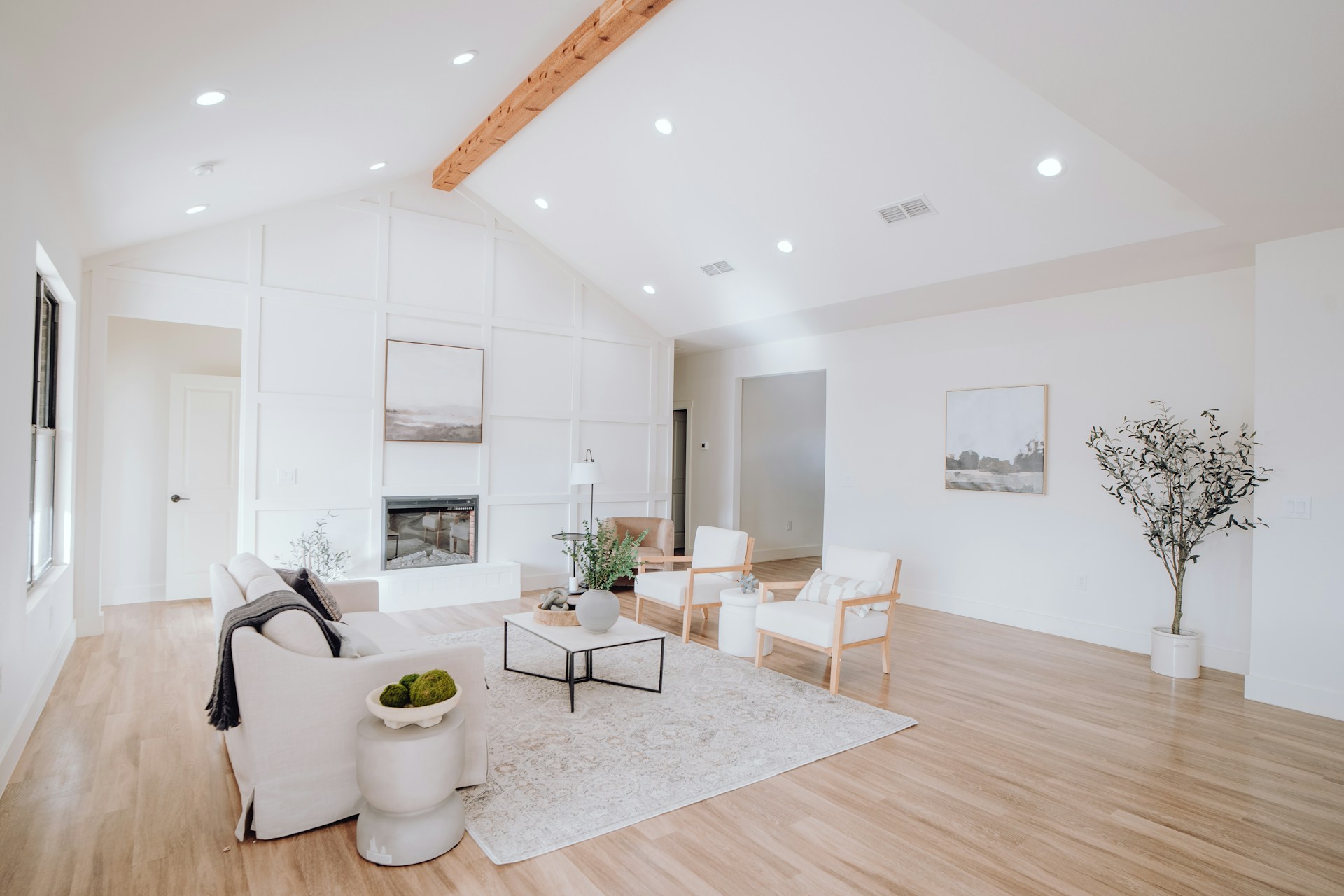
Thoughtful preparation of the home reduces both risk and awkwardness. Owners on community forums commonly recommend tidying thoroughly, providing fresh bedding and towels, and creating dedicated storage space for the sitter’s belongings. This signals respect and frames the sitter as a trusted guest rather than hired help. A clean, uncluttered environment also makes it easier to notice if anything is amiss on return.
Security steps start with simple measures: locking particularly sensitive cupboards, moving fragile heirlooms out of high‑traffic areas, and storing small valuables such as jewellery, passports, and spare bank cards in a safe or locked room. This protects cherished items and removes temptation or suspicion. It is prudent to check that doors, windows, and garden gates close smoothly, and that any alarm systems are clearly explained and easy to set and disarm.
Pet safety requires a separate sweep through the home. Lists aimed at dog owners emphasise removing poisonous plants, medicines, cleaning products, and choking hazards from accessible surfaces. If a pet is prone to bolting through front doors or slipping under fences, owners should highlight these risks and demonstrate how to manage them. Alongside this, a folder or digital note should list emergency contacts: the regular vet, an out‑of‑hours clinic, a nearby friend or neighbour, and instructions for what to do if the sitter faces a personal emergency and must leave early.
- Prepare a clean, welcoming space with clear storage and sleeping arrangements for the sitter
- Secure valuables, confidential documents and fragile items in locked or low-risk areas
- Pet-proof the home and provide written emergency contacts and procedures
Trusting house sitter strangers – Building Trust Before You Leave

Trust rarely appears overnight; it is built in small steps between listing a sit and closing the front door behind you. Many owners begin with a shorter first sit or arrange overlapping time, inviting the sitter to arrive a day early so they can walk through routines together. This allows pets to see their human and new carer interacting, which often smooths the transition. It also provides a final chance to clarify anything that remains ambiguous from earlier messages.
Meet‑and‑greets, whether virtual or in person, work best when they move beyond logistics. Experienced sitters suggest asking about their travel style, previous sits they particularly enjoyed, and how they handle shy or reactive animals. Sharing your own anxieties openly – for example, that you worry about a cat slipping out of a balcony door – invites the sitter to collaborate on solutions rather than guess your priorities. The tone should be conversational rather than interrogatory, signalling that this is a partnership.
A detailed welcome guide is the final piece of the trust‑building puzzle. It can cover feeding schedules, medication routines, quirks such as storm phobias, and house details ranging from rubbish collection to where to find spare light bulbs. Including photos of key items, from the fuse box to favourite walking routes, reduces friction once you have left. Owners who invest this time often report that subsequent sits feel smoother and that repeat bookings with the same sitter become possible, turning a onetime stranger into a familiar friend.
- Consider a shorter first sit or overlap day to ease both pets and people into the arrangement
- Use meet-and-greets to discuss temperament, routines and worries, not only dates and chores
- Create a comprehensive welcome guide that sitters can consult instead of guessing
Trusting house sitter strangers – Staying Connected During the Sit

Once the trip has begun, communication is the main tool for keeping anxiety at bay. Regular photo updates showing pets relaxed on the sofa or exploring favourite walks reassure owners that routines are being followed and that animals are content. Many sitters naturally send these; others appreciate guidance on frequency, such as a daily message for the first few days followed by less frequent check‑ins once everyone is settled. Many pet parents and housesitters use WhatsApp for such communication as it is free, easy to use and international.
There is, however, a fine line between healthy communication and remote micro‑management. Sitters describe feeling undermined when owners demand constant proof of their movements, second‑guess minor decisions, or use cameras primarily to monitor the sitter rather than the pets. Agreeing in advance that the sitter has discretion for day‑to‑day choices – for example, whether to adjust walk times because of heat – preserves autonomy while keeping space for consultation on significant issues. A rule of thumb is to ask yourself whether you would expect the same level of oversight from a trusted friend.
Emergencies require a different protocol. Owners should specify which vet to contact, how costs will be handled, and under what circumstances they wish to be called at any hour. Some platforms now offer 24/7 veterinary advice lines or video consultations that sitters can use in urgent situations, adding a further safety net. Knowing that these steps are in place allows both parties to relax into their roles: you as traveller, the sitter as on‑the‑ground decision‑maker.
- Agree a clear rhythm for photo updates and messages before you leave
- Avoid micro-managing; treat the sitter as a trusted adult with reasonable discretion
- Establish emergency communication and vet protocols so that decisions can be made quickly
Trusting house sitter strangers – Learning from Experience and Reviews

The first experience of leaving a housesitter stranger in your home is often the hardest; what happens afterwards determines whether it becomes easier next time. On returning, owners benefit from walking through the property calmly before the sitter departs, checking that everything is in order and thanking them for their care. A follow‑up message a day or two later, once any jet lag has passed, allows space to mention small issues constructively if needed.
Honest written reviews are the backbone of most housesitting communities. Owners who leave detailed, balanced feedback – noting both strengths and any minor challenges – help future hosts make informed decisions. Reading other owners’ reviews of the same sitter can also contextualise any small hiccups: if multiple people praise communication and cleanliness, an isolated misunderstanding is easier to frame as just that. Conversely, patterns of concern in reviews are a cue to tighten screening criteria.
Each sit is also a chance to refine your own systems. Nervous first‑time owners often report that once they saw how relaxed their pets were and how untouched their valuables remained, their next listings were written with more confidence and clearer expectations. You might adjust house rules, add information to the welcome guide, or reconsider how many photos you truly need while away. Over time, this cycle of experience and improvement turns the abstract idea of a stranger in the home into a familiar, well‑managed part of travelling with pets.
- Conduct a calm handover and debrief, thanking the sitter and addressing any issues directly
- Leave and read detailed reviews to inform future decisions for both you and other owners
- Refine your listing, rules and communication after each sit so that future arrangements feel progressively easier