How pet owners can Prepare the perfect housesitting listing
New pet owners often expect housesitters to arrive once a listing is posted online. In practice, most discover that their advert draws few or no applications, even in desirable locations. On leading platforms, experienced sitters actively browse hundreds of thumbnails and apply only to those that stand out as clear, comfortable and mutually beneficial, rather than waiting for owners to send invitations one by one. This article seeks to help prepare the perfect housesitting listing to attract many, fabulous housesitters to care for your pet(s).
Inexperienced owners frequently stumble into common traps. Vague or bloated responsibility lists, poor-quality photos of cluttered interiors, generic titles that say little about pets or place, and missing details on transport or remoteness all deter applicants. Some listings show only the family dog in the garden, omitting any glimpse of the bedrooms, kitchen or workspace where the sitter will spend most time. Others demand chores that resemble paid employment, such as extensive property maintenance or guest management, which experienced sitters view as unfair for an unpaid exchange.
Successful listings share clear traits. They display bright, honest photos of living spaces; outline pet personalities, routines and limits; specify neighbourhood access and daily rhythms; and balance requests with descriptions of sitter comforts such as strong Wi-Fi, welcoming beds and nearby walks. Great pet owners may quantify upload/download internet speed in their listing (Which Consumer Association free speed test).
For novices, compiling this information feels overwhelming at first. Yet after one or two sits, most owners gain confidence: they sharpen their wording, swap out weak photos, incorporate sitter feedback and accumulate reviews that signal reliability to future applicants. Experienced owners sustain strong results by refreshing listings for each trip, tailoring details to seasonal changes and using past exchanges to anticipate sitter questions.The ten recommendations below group into three themes that mirror how sitters evaluate a listing: first impressions that stop the scroll; practical details on home, pets and logistics; and relationship signals that promise smooth collaboration.
The ten recommendations below group into three themes that mirror how sitters evaluate a listing: first impressions that stop the scroll; practical details on home, pets and logistics; and relationship signals that promise smooth collaboration.
Perfect housesitting listing – Create an irresistible first impression
Focus on title and photos to hook sitters instantly. Primary action: select one bright cover image and craft a pet-plus-place title that sparks immediate interest
Perfect housesitting listing – Provide practical clarity and honest pet information
Detail location, routines and tasks transparently. Primary action: map out pet schedules and home access in short, honest paragraphs to match sitter skills precisely
Perfect housesitting listing – Emphasise mutual benefit and build strong relationships
Highlight gains, tone and follow-through. Primary action: frame the sit as a fair exchange with warm wording and prompt replies to foster trust from day one
Perfect housesitting listing – Create an irresistible first impression
Secret 1 – Craft a specific, appealing title and cover photo

Your title and main image decide whether a sitter even opens your advert. Sitters scrolling through a long list see only a few words and one picture, so bland titles or dark, cluttered photos are usually ignored. A clear, inviting combination instantly tells them what kind of sit you offer.
A strong title features your pet type, approximate location and one attractive feature, such as a park, view or vibrant neighbourhood. Sitters say they are drawn either by certain animals or by specific areas, so combining both can double the chance of a click. The cover photo should reinforce that promise with a bright, well‑composed image of your pet or your most welcoming room.
For housesitters, this matters because it quickly answers three questions: which animals are involved, where the sit is and whether the home looks pleasant. When those points are obvious from the thumbnail, they are more likely to open your listing and imagine themselves in your space.
- Write a title that combines pet, city or area and one appealing feature such as “Gentle lab in central Toronto condo near waterfront trails”
- Select a bright, sharp cover photo showing your main pet or your most attractive room or view, taken in natural light
- Avoid problem‑centred titles such as “Urgent sitter needed” unless context truly helps sitters judge fit, and keep the focus on what they will enjoy
Secret 2 – Display clean, comfortable living spaces with clear photos
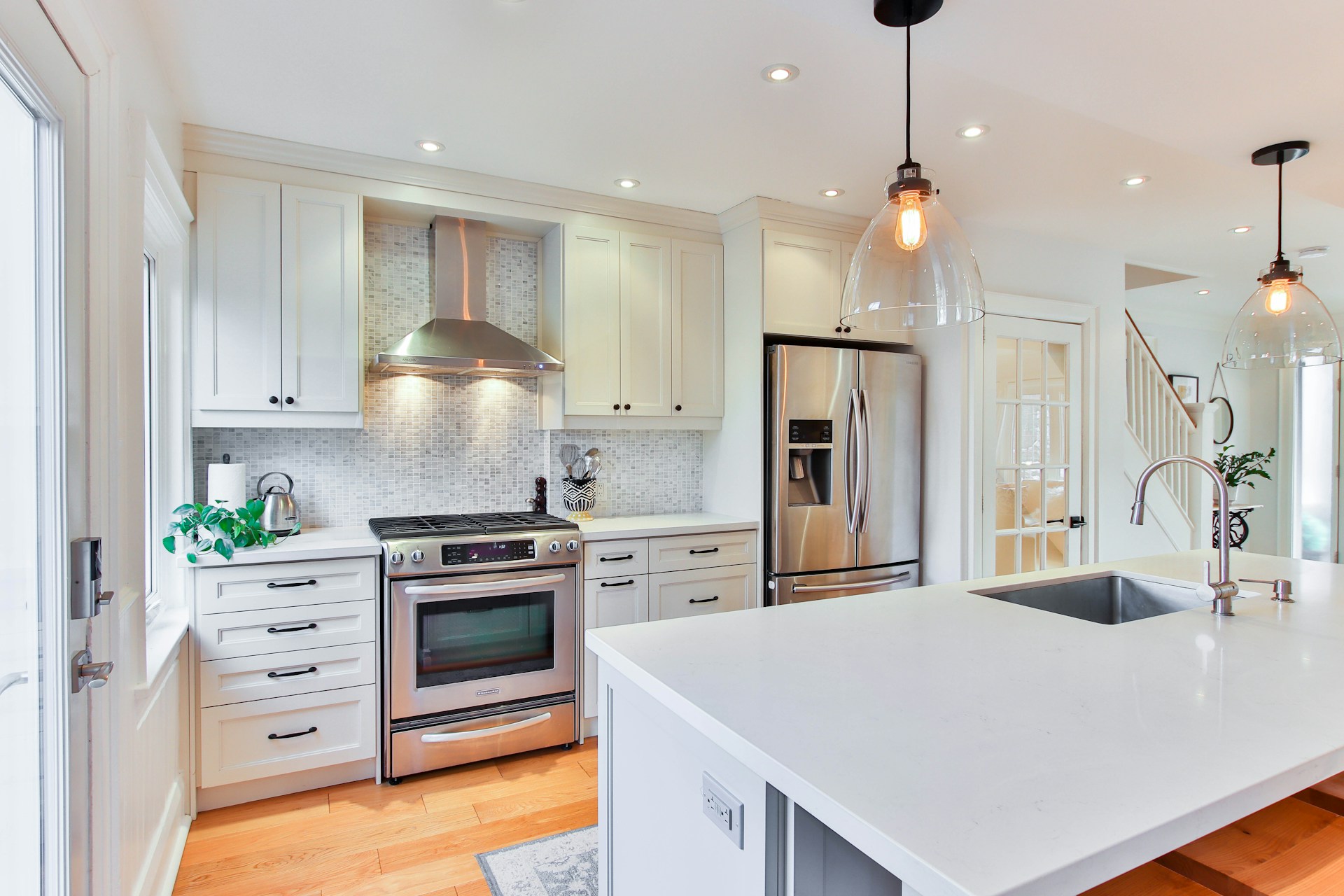
Once a sitter clicks, the photo gallery often decides whether they apply. In community discussions, sitters say they skip listings that show clutter, poor lighting or no photos of the bedroom and bathroom they will use. Good images reassure them that the home is cared for and matches the description.
Sitters look closely at where they will sleep, wash, cook and work. Details such as bed size, light, cleanliness and usable workspace strongly influence their decisions. When owners provide clear, well‑lit photos of these spaces, sitters feel more confident and need fewer awkward clarifying questions later.
For housesitters, a thorough set of honest photos signals respect and transparency. It shows that you understand they are offering serious help and that you want them to feel comfortable, not like they are stepping into an unknown situation.
- Declutter and clean key rooms, then photograph the sitter’s bedroom, bathroom, kitchen, living area and any outdoor space in daylight
- Include at least one clear photo of the bed, mention bed size in the text and ensure the room looks ready for a guest
- Remove outdated, blurry or confusing images, and avoid galleries made up only of pets or exterior shots with no sense of the interior
Perfect housesitting listing – Provide practical clarity and honest pet information
Secret 3 – Explain location, transport and access in practical detail

Many listings lose applicants because sitters cannot quickly work out where the home is or how they would get around. Some adverts give only a city name, underplay distance from the centre or omit whether a car is needed. This uncertainty adds work for sitters and often leads them to choose clearer options.
Sitters want to know how daily life will function: distance to shops, cafés and parks; nearest bus or train; and what parking or car use is possible. Rural homes can be very popular if owners clearly explain remoteness, road conditions and how far essential services are.
For housesitters, practical clarity lets them judge whether the sit fits their lifestyle, budget and mobility. Remote workers look for solid broadband; travellers without a car prioritise walkable amenities and reliable public transport. Transparency here prevents misunderstandings and cancellations later.
- State your neighbourhood or nearest town plus approximate walking or driving times to supermarkets, cafés, parks and transit stops
- Explain whether a car is essential, whether you can lend one and what parking arrangements or permits are available
- Mention a handful of broadly appealing local features, such as waterfronts, markets, hiking trails or cultural districts
Secret 4 – Describe your pets honestly, including routines and quirks

Your animals are the core of the assignment, and sitters apply because they want to care for them. They rely on your description to understand what each day will involve, from energy levels to medical needs. Brief or vague notes such as “look after my cat and dog” often mean the listing is skipped.
Sitters need practical detail: feeding schedules, walk lengths, playtime, training cues and where pets sleep. They also value honesty about behaviour, including anxiety, reactivity, noise, toileting habits or shyness around strangers. This allows them to assess whether they have the right skills and energy, and whether the sit matches what they enjoy.
For housesitters, accurate pet information is one of the strongest signals of a trustworthy owner. It reduces the risk of discovering demanding or risky behaviour that was never mentioned, which is a common source of stress in poorly described sits.
- Write a short profile for each pet with age, breed or mix, personality, routine and how they react to people and other animals
- State alone‑time limits, medication schedules and any known behaviours that require management, such as separation anxiety or leash reactivity
- Add a few natural photos of each pet in everyday situations so sitters can picture caring for them and see their general condition
Secret 5 – Write a concise, balanced responsibilities section

The responsibilities section is where many inexperienced owners go wrong. Overly long lists can make a sit look like full‑time work; very short descriptions suggest hidden tasks and poor planning. Sitters often base their decision mainly on this section.
A clear responsibilities section focuses on the main daily and weekly tasks: feeding, dog walks, litter trays, cleaning up after pets, plant watering and simple home care. Grouping tasks into a few short sentences or bullet points allows sitters to quickly judge whether the workload fits their capacity. It also helps you spot when you have slipped into asking for unpaid professional work, such as extensive gardening or running a guest rental.
For housesitters, this clarity sets expectations and helps avoid conflict. When they know exactly what is involved, they can commit confidently and carry out the agreed tasks without feeling the situation has shifted once they arrive.
- Summarise daily pet and home tasks in a compact list that highlights routines and time commitments rather than tiny procedural detail
- Call out any unusual or heavy duties – such as caring for many animals or large gardens – so only sitters comfortable with that workload apply
- Compare the length of this section with the rest of the listing and remove repetition or job‑like language that might make the sit appear unbalanced
Secret 6 – Set realistic expectations about time at home and extras

A frequent complaint from sitters is that some sits quietly require them to be home almost constantly or to handle extensive extra chores. When the reality is much more demanding than the listing, good sitters will simply stop applying.
Realistic expectations include how long pets can be left alone, how much exercise they need, what time they usually wake and sleep, and how often non‑pet tasks must be done. Stating this clearly lets sitters decide whether they can balance pet care with remote work, local exploring or rest. It also discourages owners from slipping in large amounts of unpaid labour under vague headings such as “help around the property”.
For housesitters, straightforward expectations show that you respect their time and understand the exchange. They are more likely to apply – and to return – when they know there will be enough downtime to enjoy the area as well as care for your animals.
- State typical daily patterns, including approximate walk lengths, feeding times and how long pets can be left alone during the day
- Quantify any recurring chores like lawn mowing, snow shovelling or plant care so the scale of work is clear
- Remove tasks that resemble professional services and, if necessary, arrange separate paid help for those jobs rather than adding them to the sit
Perfect housesitting listing – Emphasise mutual benefit and build strong relationships
Secret 7 – Highlight what the sitter gains from the stay

Owners naturally focus on their pets’ needs, but strong listings also explain what the sitter will enjoy. Sitters say they are attracted to adverts that describe comfortable accommodation, reliable Wi‑Fi, good workspaces and access to appealing surroundings. This does not require luxury; simple, honest comforts are enough.
Describing benefits frames the arrangement as a fair exchange: you receive dedicated care for your animals and home, while the sitter experiences a pleasant stay and local life. When comparing several similar sits, many sitters choose the one that paints a clear, positive, realistic picture of what their days will be like.
For housesitters, this information helps them feel valued rather than taken for granted. It reassures them that you have thought about their comfort as well as your own needs, which often leads to better applications and smoother stays.
- Describe the room where they will sleep, where they can relax and any suitable workspace, including Wi‑Fi quality and lighting
- Share a few examples of local experiences they might enjoy, such as park walks, markets, independent cafés or cultural venues
- Mention small touches you provide, like a stocked basics cupboard, clear appliance notes or flexible arrival and departure windows
Secret 8 – Use a warm, respectful tone and show appreciation

Tone shapes how sitters feel about you before they ever meet you. Listings written in harsh, suspicious or overly directive language can discourage even very capable applicants, while calm, appreciative wording encourages them to read on.
A warm tone does not require lengthy personal stories. Instead, it means addressing the sitter as a partner, thanking them for considering your home and explaining what matters to you in straightforward, courteous language. Sitters repeatedly say they prefer listings that feel like the beginning of a respectful relationship rather than a list of orders.
For housesitters, tone is an early indicator of how problems will be handled if they arise. A balanced, friendly listing suggests that any issues during the stay will be discussed sensibly rather than with blame or panic.
- Open with a short, human introduction to you, your pets and why you appreciate having someone stay in your home
- Replace all‑caps commands and long rule lists with clear explanations of your priorities and the reasons behind them
- End by thanking potential sitters for their time and inviting questions before they apply or confirm dates
Secret 9 – Communicate quickly and clearly with potential sitters

Even the best listing can miss out on strong applicants if messages go unanswered. Sitters often apply for several sits at once, especially around holidays, and usually accept the first suitable offer from an owner who responds promptly.
Timely, clear communication shows that you are organised and considerate. Sitters report frustration when owners vanish after receiving an application or take many days to reply, and some avoid those owners in future. Owners who reply quickly, arrange a video call and answer questions openly tend to develop a positive reputation and receive more interest over time.
For housesitters, steady communication before confirming a sit reduces uncertainty about travel and expectations. It also gives both sides a chance to confirm that they connect well and can discuss routines comfortably.
- Check your inbox at least once a day while your listing is active and acknowledge every application, even if you are still deciding
- Offer a brief video call to talk through pets, routines and house details, and invite the sitter to share their experience and needs
- Once a sitter is confirmed, send or update a written house and pet guide well before departure so they can prepare properly
Secret 10 – Review, refine and update after each sit

Treat your listing as a document that evolves with experience rather than something you write once. Each completed sit highlights areas that were clear and others that could be improved, from phrasing in the responsibilities section to photos of certain rooms.
Feedback from sitters – formal reviews and casual comments – offers direct insight into how your listing is perceived. They might praise strong points, such as a detailed welcome guide, or gently point out missing information, like confusing parking rules or unclear heating instructions. Updating your text and images in response shows future sitters that you are thoughtful and responsive.
For housesitters, seeing up‑to‑date photos and accurate descriptions, supported by a history of positive reviews, builds trust. Over time this creates a virtuous circle in which more suitable sitters apply, your confidence grows and the process becomes steadily easier.
- After each sit, note questions or minor problems that arose and adjust your listing and house guide to address them directly
- Refresh photos periodically, especially after redecorating, changing furniture or welcoming new pets, so images match reality
- Use themes from sitter feedback and reviews to refine your tone, clarify responsibilities and better describe what makes your sit rewarding