Introduction – US Cat Names, International Cat Names
Cat population in US
World Population Review estimates that in 2026 the United States is home to 74 million pet cats, or 0.21 US cats per US person. This compares to 53m China; 23m Russia; 15m Germany and 15m France. The US cat population has increased from 60 million in the mid 1990s, as more households keep indoor pets and adoption has become the norm rather than the exception.
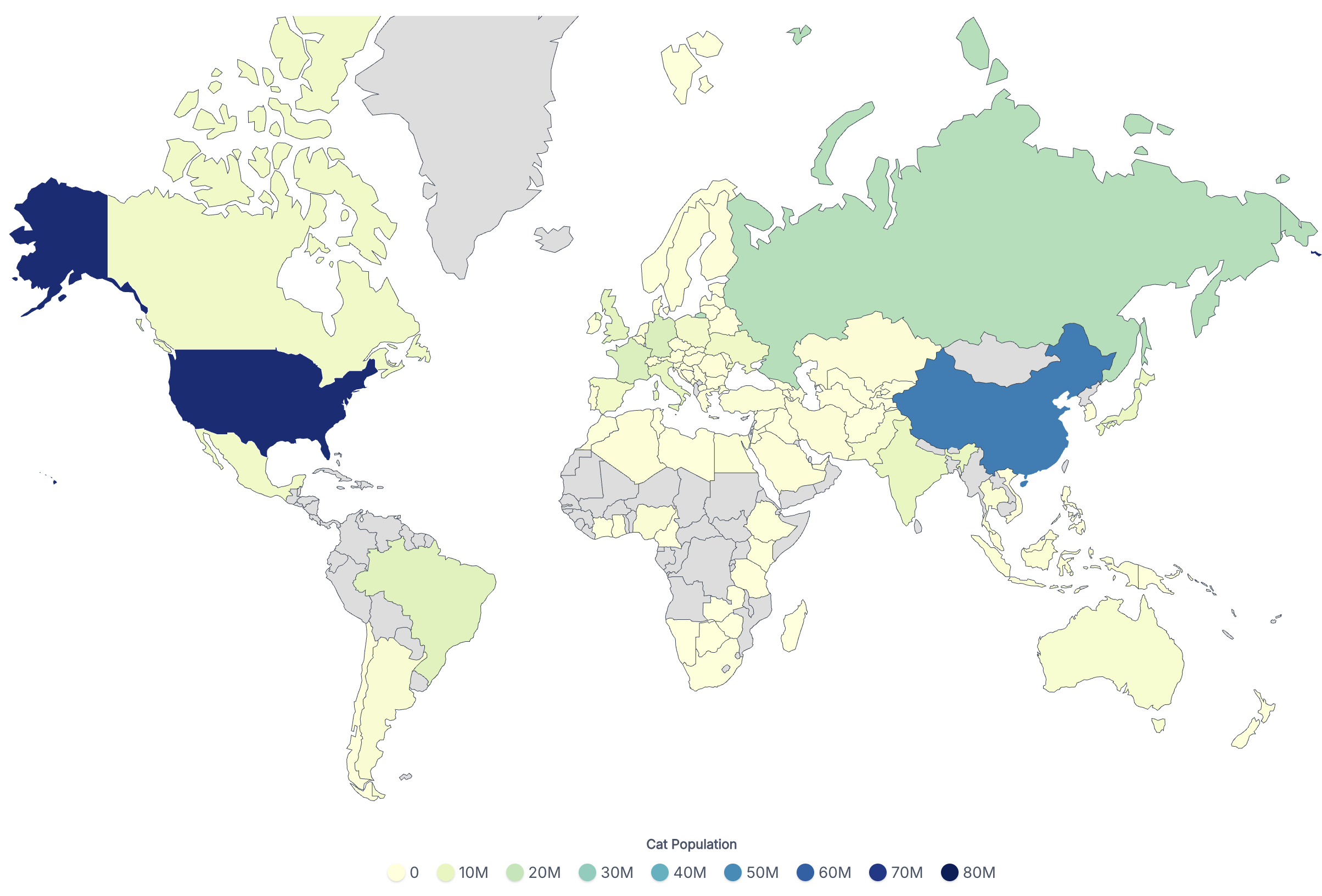
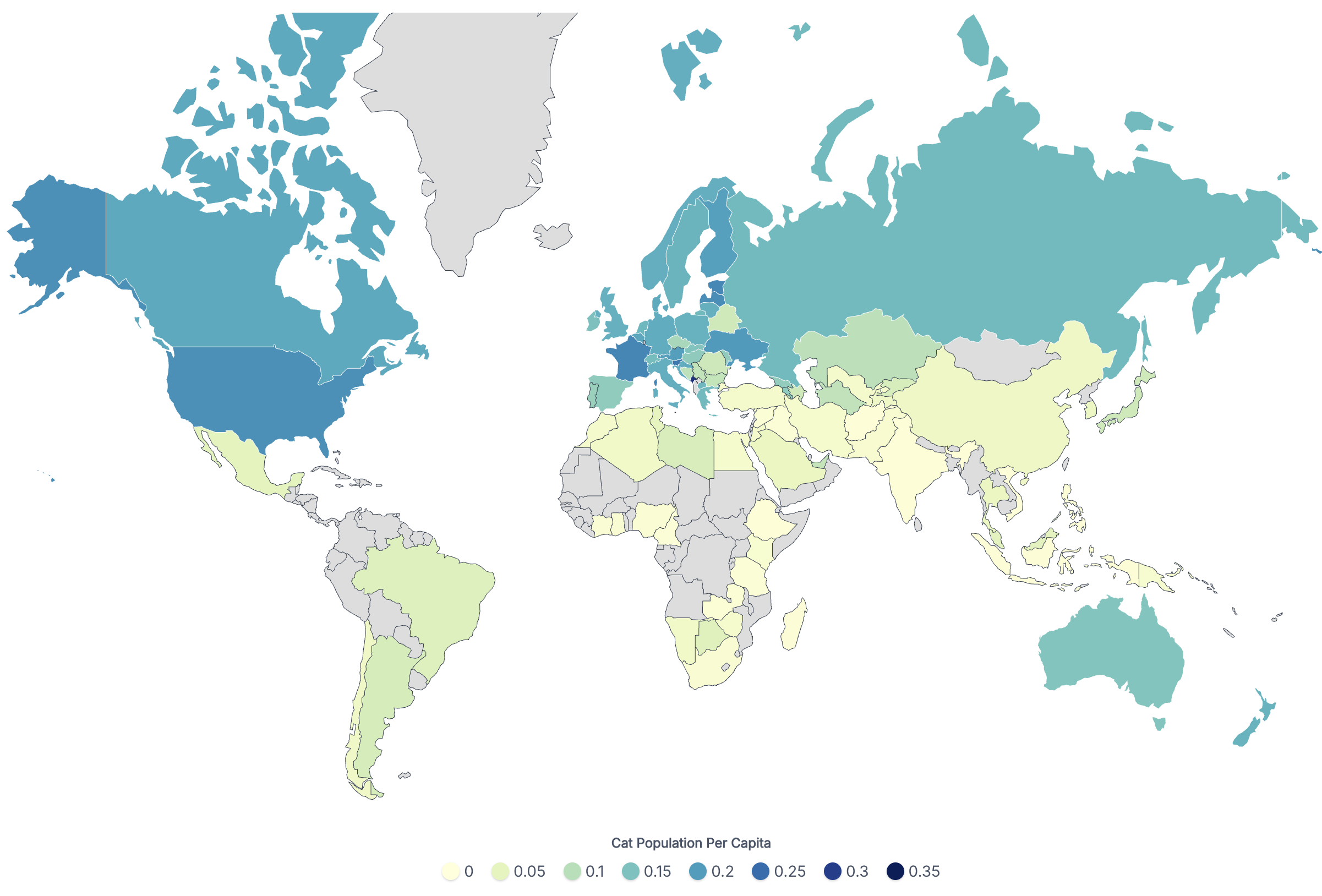
Where cats are most and least common
Cat ownership is not spread evenly across the country. Large, populous states such as California and Texas unsurprisingly contain the most cats in absolute terms, while dense coastal cities like New York have high concentrations of indoor cats living in apartments. Rural states in the Mountain West have far fewer cats overall, but a higher share of outdoor and barn cats; Vermont and Maine stand out with unusually high ownership per household thanks to strong rescue cultures and older populations who favour quieter pets.
Regional variances in US cat names
Southern states lean towards warm, traditional names such as Daisy, Molly and Smokey. Northern and coastal cities favour sleek human names like Luna, Milo and Oliver that would not look out of place on a school register. Hawaii is an outlier: names such as Koa, taken from the Hawaiian word for warrior and a native tree, are far more common on the islands than on the mainland, reflecting a desire to anchor pets in local culture.
US cat names versus international cat names
Viewed internationally, American choices for cat names are strikingly human‑centred. British lists still feature descriptive classics like Tigger and Sooty, while in parts of Asia food‑inspired names such as Miso and Mochi are disproportionately common. In contrast, US charts are dominated by names that look and sound like baby names – Luna, Oliver, Leo, Bella – underlining the way many American owners now regard their cats as full family members.
Popular US Cat Names in 2026
Surveys and news articles on popular cat names in 2026
Cat names
Bella
Leo
Luna
Milo
Oliver
Charlie
Coco
Loki
Lucy
Max
Willow
Kitty
Lily
Nala
Ollie
Simba
US Newsweek
Y
Y
Y
Y
Y
Y
Y
Y
Y
Y
Y
Y
Y
Y
Y
Y
US News
Y
Y
Y
Y
Y
–
–
Y
Y
Y
Y
Y
–
Y
–
Y
Rover
Y
Y
Y
Y
Y
Y
Y
–
Y
Y
Y
–
Y
–
Y
–
Chewy
Y
Y
Y
Y
Y
Y
Y
Y
–
–
–
–
–
–
–
–
Key Y survey or news article includes cat name as popular in 2026
Source: Newsweek “Most Popular Cat Names in the US Revealed”, U.S. News “Most Popular Cat Names in America”, Rover “Most Popular Cat Names in the USA”, Chewy “Most Popular Cat Names for 2026”
Nationally popular cat names
Across large datasets from multiple 2026 surveys then Bella, Leo, Luna, Milo and Oliver rank as most popular US cat names. Most of these combine a simple two‑syllable structure. Luna, a key favourite, adds a touch of magic via its “moon” meaning and the Harry Potter character Luna Lovegood. Behind the top cluster of familiar cat names such as Charlie, Max, Coco, Lily, Loki, Nala and Simba.
How popular cat names vary by state
A 2025 survey showed Luna as the most popular cat name in more than twenty states, stretching from Florida and Texas through much of the Midwest. Lucy leads in several northern states, including Wisconsin and Minnesota. Oliver performs particularly well in the Pacific Northwest, aligning with that region’s liking for literary, slightly old‑fashioned names.
Regional outliers and niche choices
Beneath the headline rankings lies a long tail of local favourites. In Hawaii, Koa appears near the top of cat‑name lists despite being rare on the mainland, reflecting the influence of Hawaiian language and the islands’ strong identity. Southwestern states see above‑average use of playful food names such as Taco and Pepper, whereas New England cat owners tend to favour solid, slightly nostalgic names like Mittens, Smokey and Tiger that echo the barn‑cat past.
What pet businesses see in their data
Commercial pet‑care providers give another angle on popularity. A 2026 cat name report by Chewy notes that personalised products – engraved ID tags, bowls and collars – cluster heavily around names like Luna, Milo and Nala. This suggests that once a name becomes fashionable, merchandising and social media both amplify its reach. Analysis on best cat names by Rover of millions of user profiles records a rise in gender‑neutral or flexible names such as Riley and Finley, mirroring wider conversations about identity and showing that naming trends do not stand still.
Historical trends in cat names
The 2010s: human names go mainstream
Insurance and veterinary databases from the early 2010s list Max, Chloe, Oliver, Bella and Lucy among the most common US cat names, highlighting a clear move towards people‑style names. Bella surged during this period alongside the Twilight films, while Oliver benefited from appearances in children’s books and animated films, proving how quickly on‑screen characters can migrate into the everyday life of households.
The 2000s: descriptive and appearance‑based names
In the 2000s, charts compiled from microchip registrations and pet‑insurance records have a different flavour. Smokey often sits at or near the top, joined by Tiger, Shadow, Kitty and Max. Many of these names describe colour or pattern rather than personality—Smokey for grey cats, Tiger for tabbies with bold stripes, Shadow for dark coats—suggesting that owners still thought first about how a cat looked when choosing what to call it.
The 1990s: cartoons and storybook heroes
The 1990s mark a transitional decade between functional barn names and today’s highly human labels. Historical round‑ups show Smokey retaining its hold, but Tiger, Tigger and Misty also feature prominently. Simba and Nala begin to appear towards the end of the decade after the release of The Lion King, illustrating how a single hit film can seed an entire generation of pet names.
What the history means for today’s owners
For modern cat guardians, this history offers two practical lessons. First, some names—Smokey and Tiger, for example—are almost timeless, still feeling natural even though they topped lists thirty years ago. Second, naming fashions move in cycles. A label that sounded overused in 2010, like Tigger or Misty, may now come across as charmingly retro to younger owners hunting for something distinctive yet still easy for friends and vets to recognise.
Patterns and inspirations in cat names
Entertainment and celebrity culture
Entertainment is one of the strongest forces shaping cat names. A 2025 overview of American pet names reported that roughly one‑third of new registrations drew directly from films, television or viral media, with Simba, Nala, Loki and Phoebe among the stand‑out examples. As new series, superheroes or streaming hits emerge, their names rapidly appear in shelter paperwork and microchip databases.
Music, fandom and social media
Music has a similar impact. Analysts who compare cat‑name trends with streaming charts have linked spikes in names like Lucy, Charlie and Leo to high‑profile pop releases and stadium tours, particularly those associated with Taylor Swift and other touring giants. For many owners, choosing a name from a favourite song or band is a low‑key way of displaying fandom while giving the cat a label that still sounds ordinary at the vet’s office.
Food, places and local culture
Food‑related names form a second major cluster. A nationwide state‑by‑state study found that more than one in ten cats carried a name tied to food or drink, from Pepper and Ginger to Biscuit and Mochi. These names tend to be playful and are especially common in coastal cities and university towns where restaurant culture and café life are more prominent. Place‑based names also reflect local pride: Louisiana produces cats called Roux, Beignet and Boudin, Texas delivers Austin and Dallas, and the Pacific Northwest offers nature‑inspired Rain, Cedar and Fern.
The rise of human‑style names
Alongside these themes is a structural shift towards human names. Comparisons between US and UK pet‑name rankings suggest that around 40 per cent of American cat names could just as easily belong to children, a higher share than in Britain where descriptive names such as Whiskers or Sooty still have more traction. This trend mirrors broader “pet‑parenting” behaviour: cats increasingly appear in family Christmas cards, social media profiles and even workplace benefits, and their names have moved to match that status.
Attributes of great cat names
Short, clear and easy to call
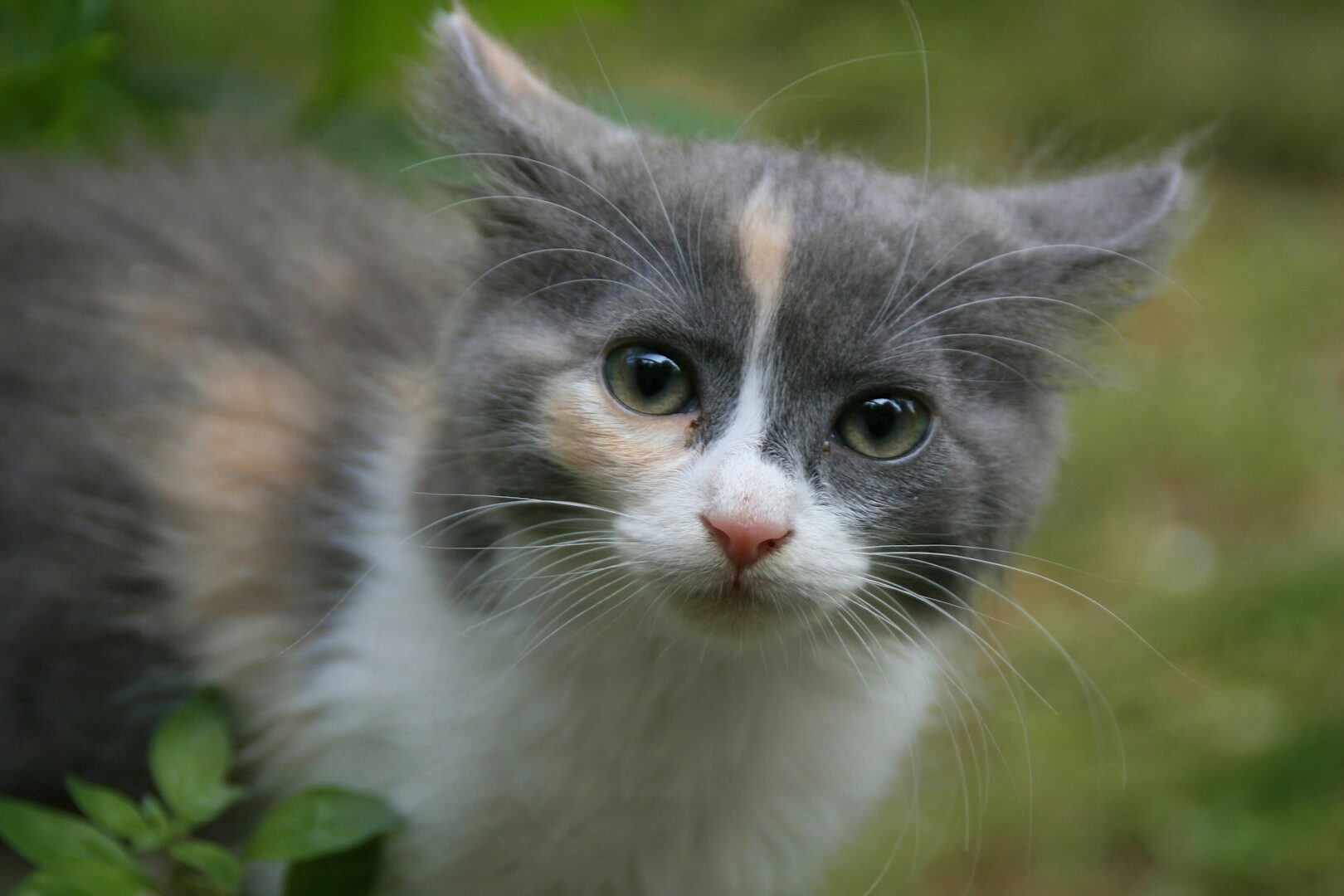
Behaviourists and vets frequently stress that brevity is a key asset in a cat name. Names of one or two syllables are easier for cats to recognise and for humans to repeat in a consistent tone, which supports training and recall. In practical terms, Luna, Milo and Coco are simpler to use than elaborate literary references that will inevitably be shortened in daily life.
Sounds that carry and stand out
The sound of the name matters as much as its length. Names with clear, high‑pitched vowels and crisp consonants – Kitty, Kiki, Cleo – carry well across a room or garden and are less likely to be muddled with other household noises. Repeated sounds, like the double “l” in Bella or the doubled “o” in Coco, make names catchy for both cat and owner, increasing the chances that everyone in the family uses the same form.
Distinctiveness in multi‑pet homes
Distinctiveness is particularly important when there are several animals in the home or a cluster of outdoor cats in the same neighbourhood. If half the cats at the local veterinary clinic are already called Luna, choosing a related but less common name such as Lyra, Nova or Selene can avoid confusion in waiting rooms and gardens. Owners of bonded pairs often pick names that share a rhythm – Luna and Nova, Milo and Mabel – without rhyming so closely that the cats cannot tell them apart.
Fit with the cat’s look and personality
A well‑chosen name also reflects the cat’s appearance or character without locking it into a stereotype. Descriptive names like Shadow, Snowball or Ginger provide an instant visual cue, while personality‑based names such as Scout, Zen or Rascal capture behaviour in a way that still feels affectionate. Many guardians find that waiting a few days before committing to a name allows small quirks – a favourite sleeping spot, a particularly enthusiastic trill – to point towards the right choice.
Staying power over a long life
Finally, a strong name is one that ages well. Internet in‑jokes or hyper‑specific references can be amusing at the time but may feel dated or awkward a few years into a cat’s typical 15‑ to 20‑year lifespan. Names rooted in mythology, nature, literature or family history tend to have more staying power, which reduces the temptation to start using nicknames or new names later on.
Tips on how to name your cat or kitten
Start with observation, not a list
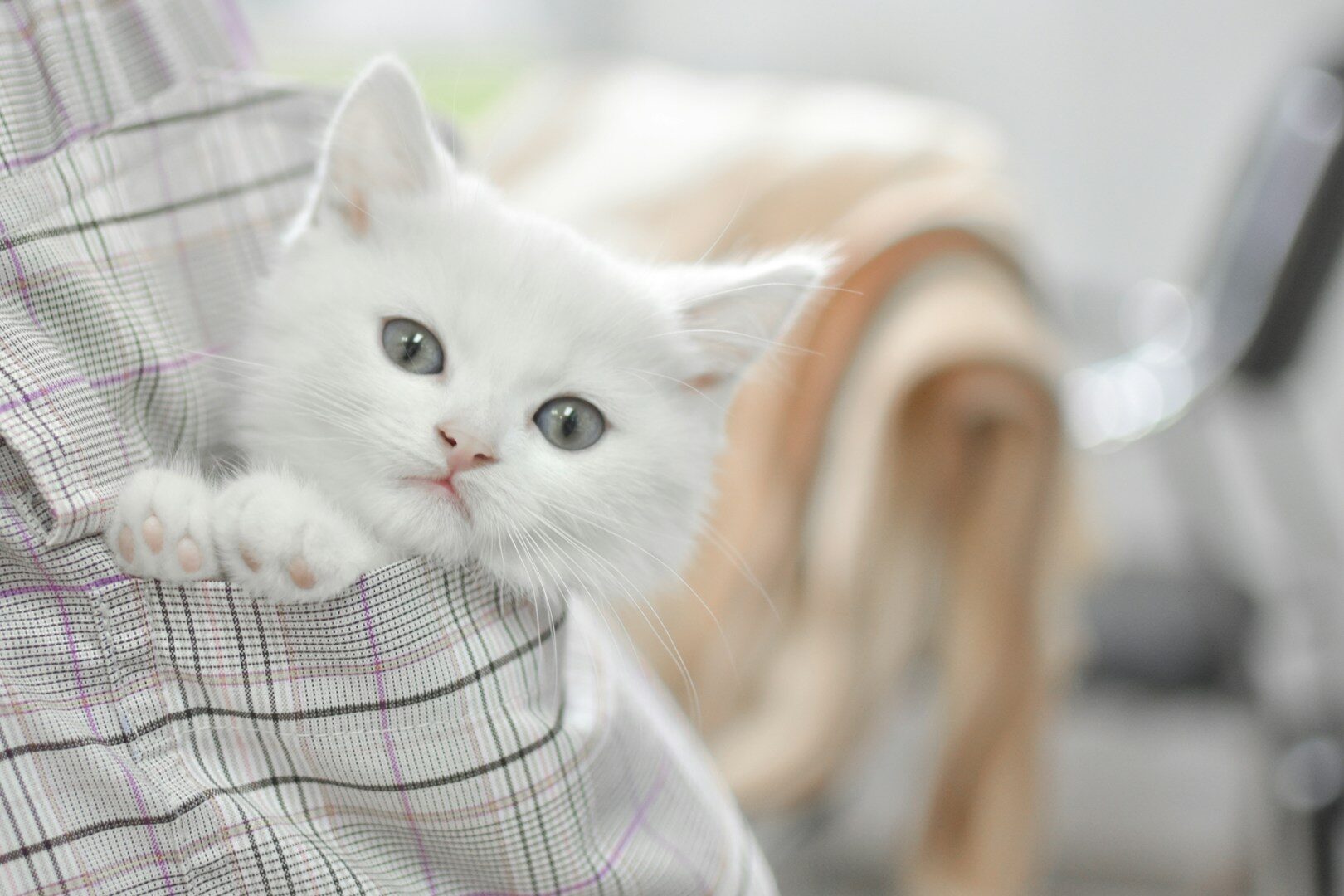
For new adopters, the simplest way to find a fitting name is to begin with observation. Behaviour experts often suggest living with the cat for a few days, noting how it moves, sounds and interacts with people before making a final decision, because these early impressions often suggest an obvious direction—Ninja for the silent jumper, Biscuit for the couch‑potato cuddler. This approach turns naming from a rushed choice at the shelter desk into a short, deliberate project.
Build and filter a shortlist
While observing the cat, it helps to keep a running shortlist. Aim for ten to twenty possibilities, drawing from several categories: human names, places, favourite books, foods, nature themes. Saying each name aloud several times will reveal which ones feel clumsy, which are hard for children or older relatives to pronounce and which clash with common commands like “no” or “sit”. By the end of the week, a few clear favourites usually stand out.
Check what is common locally
A quick scan of local trends can prevent naming regrets. State‑level maps of popular cat names show, for instance, that Luna already dominates large parts of the country, while Lucy, Oliver or Nala may be more distinctive in certain regions. Checking with neighbours, local social‑media groups or the veterinary clinic can highlight which names are overrepresented in the immediate area.
Coordinate names in multi‑pet households
In homes with more than one cat, it pays to think about how names work together. Pairs whose names share a theme – mythology, cities, favourite authors – often feel cohesive without being confusing: Apollo and Athena, Rio and Lisbon, Austen and Brontë. What matters most is that the names are distinct in sound, so that each cat can learn to respond to its own label even when both are called from the kitchen.
Balance fashion with personal meaning
The final step is to balance fashion with meaning. Trend‑driven names can be appealing, and there is nothing wrong with choosing the current favourite if it genuinely feels right. But a slightly unusual, personally significant name – perhaps linked to a meaningful place, a beloved relative or a favourite story – often keeps its charm long after social‑media trends have moved on. When a name matches both the cat and the household, it quickly becomes hard to imagine calling the animal anything else, turning a simple label into part of the shared story between human and pet.