10 joyous parks for happy dog walking jobs London
London has become one of Europe’s busiest dog cities. Research by Dogs Trust, University of Exeter and University of Leeds found the UK dog population to be around 13 million, . Around 30–31 per cent of UK households own a dog, and London leads the country, with dogs in roughly 46 per cent of homes. With about 3.58 million households across the capital, that points to more than 1.5 million dogs sharing its pavements and parks.
For walkers, London divides neatly into five sub‑regions: Central, North, South, East and West. The strongest day‑to‑day walking culture sits in West and South‑West London, where Richmond Park, Wimbledon Common and the Thames Path deliver near‑countryside loops. North Londoners gravitate towards Hampstead Heath and Alexandra Palace Park, while East and North‑East London depend on Victoria Park, Wanstead Flats and the Lea Valley’s linear trails. In Central London, Hyde Park and Kensington Gardens act as the default “back garden” for dogs living in flats around the West End.
What owners value is remarkably consistent: sizeable, continuous green space; a mix of woodland, open lawns and water; sensible off‑lead rules; and practical touches such as bins, lighting and dog‑friendly cafés nearby. Sporting breeds like Labradors, spaniels and retrievers – the UK’s perennial favourites – need longer, more demanding routes, while compact companion breeds such as French Bulldogs or Dachshunds thrive on sociable, flatter circuits with frequent pauses.
Not all districts make this easy. Mapping shows the lowest dog densities in six inner postcode areas – N, E, SW, WC, W and UB – where small flats and strict rental policies limit ownership. Nearly three in ten London landlords still refuse pets, despite a clear trend towards more “pet‑friendly” developments. At the same time, demand for dog‑walking and pet‑sitting services has jumped more than 40 per cent since 2020, driven by hybrid working patterns and an increasingly mobile population.
Against that backdrop, the ten parks below represent a curated circuit of London’s best territory for dog walks, consciously spread across the compass so that every sitter or owner can find a reliable favourite close to home. Dog walking London and pet sitting London opportunities are extensive – enjoy!
House Sitting London – Recommended London dog walks in parks
Dog walking jobs London – North London – Hampstead Heath (Hampstead, Highgate and Gospel Oak)
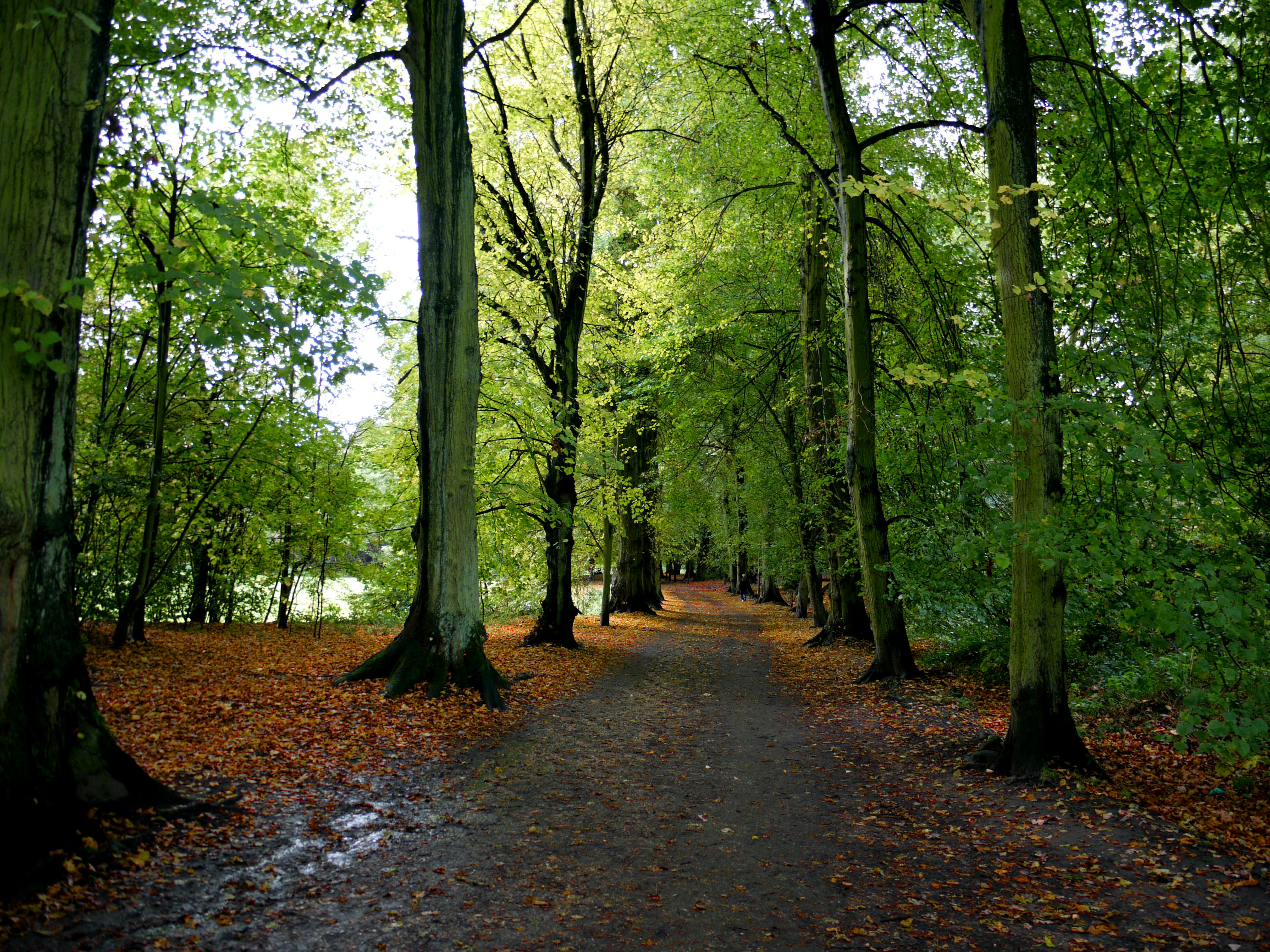
Hampstead Heath is North London’s signature dog‑walking landscape: 320 hectares of heath, woodland and ponds between Hampstead, Highgate and Gospel Oak. Stations at Gospel Oak, Hampstead Heath and Hampstead provide access from three sides, backed up by frequent buses and countless residential footpaths.
Dogs may walk off lead across most of the Heath, but must avoid playgrounds, fenced conservation areas and formal spaces such as Golders Hill Park, and use leads where signs or staff require it. Designated dog‑swimming spots with floating barriers make the ponds safe for water‑loving retrievers and spaniels. A dense mesh of meadows and wooded paths lets walkers tailor a loop for anything from a 20‑minute comfort break to a two‑hour hike.
Best suited to medium and large, energetic breeds with reasonable recall and owners who enjoy semi‑wild conditions.
- Huge variety of terrain, ideal for matching routes to excitable adolescents, steady seniors or nervous rescues
- Long, traffic‑free sightlines on Parliament Hill and the central meadows that make recall training more controlled
- A year‑round dog‑walking community and nearby dog‑friendly cafés in Hampstead and South End Green that add social life for humans as well as dogs
Dog walking jobs London – North London – Alexandra Palace Park (Alexandra Palace / Muswell Hill)
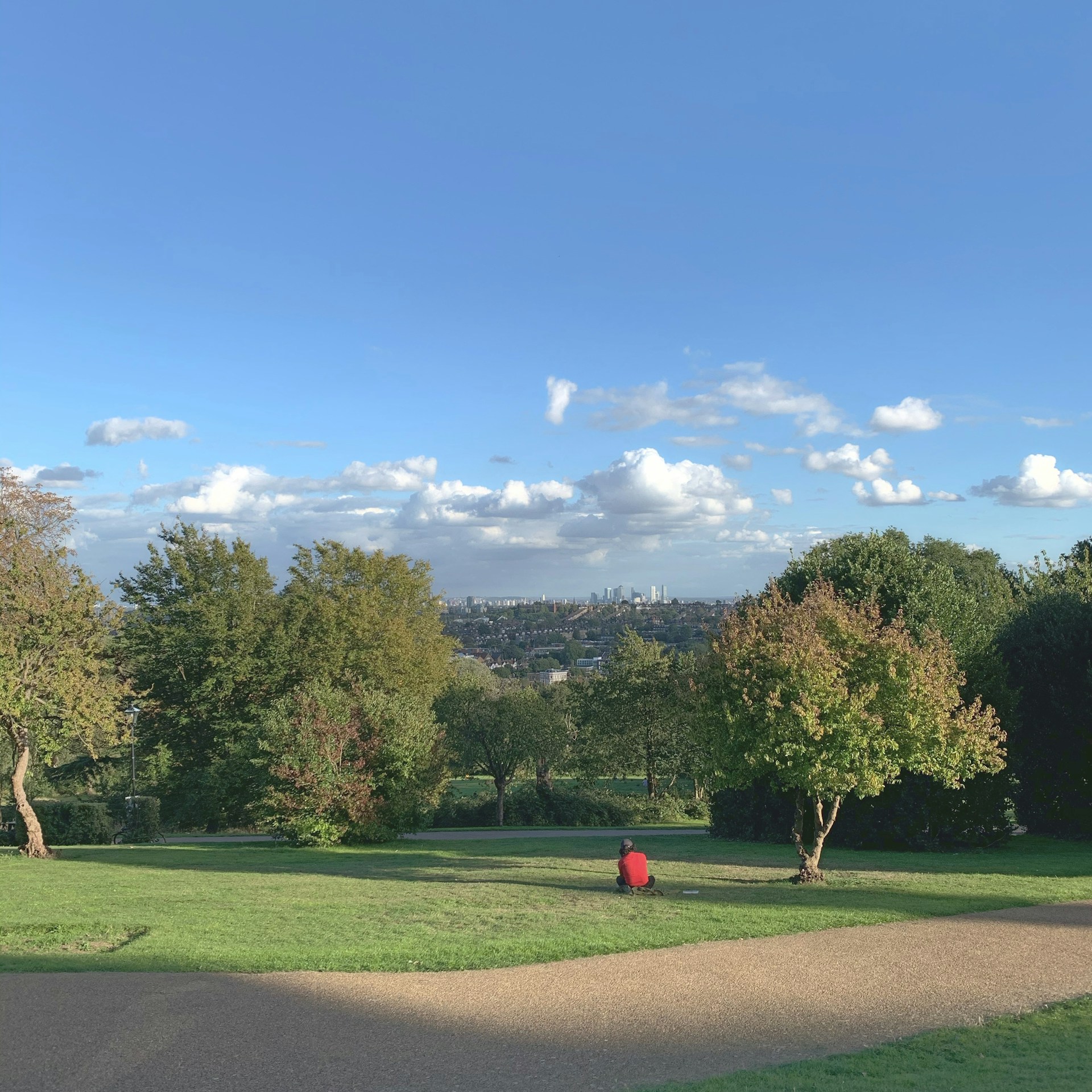
Alexandra Palace Park, or Ally Pally, crowns one of North London’s highest ridges between Muswell Hill and Wood Green. The park blends broad lawns, woodland belts and a boating lake, framed by panoramic views over central London. It is served by Alexandra Palace rail station, Wood Green Underground and multiple bus routes, with many entrances from surrounding streets where gardens are scarce.
Most of the park functions as relaxed off‑lead territory, with guidance focused on keeping dogs out of children’s play areas and respecting local wildlife. The main slopes double as huge fetch fields; wooded margins give shyer or reactive dogs quieter corridors. Informal groups of regular walkers often gather near the lake, providing company for single‑dog households and sitters.
Particularly good for mixed‑age groups – such as a lively collie alongside an older Labrador – where one dog can tackle hill repeats while the other takes steadier circuits.
- Long grassy slopes with clear views that suit recall practice, ball games and high‑energy zoomies
- A mix of woodland, lawns and lakeside paths that helps dogs of different ages and fitness levels share the same outing
- Easy access from densely populated terraced streets, turning the park into an all‑purpose “back yard” for flat‑dwellers
Dog walking jobs London – West / Central London – Hyde Park and Kensington Gardens (Hyde Park Corner, Lancaster Gate, Queensway)
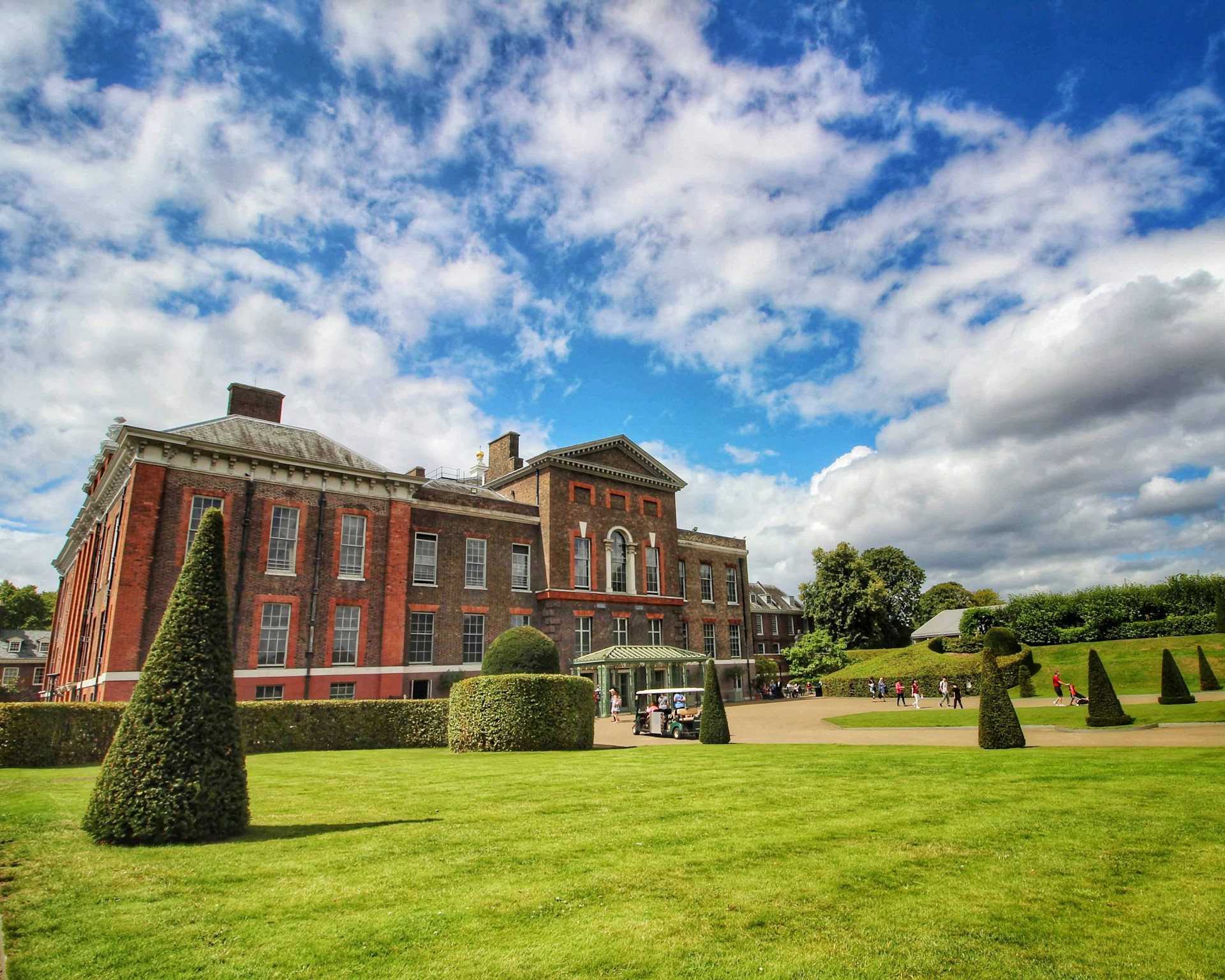
Hyde Park and Kensington Gardens form 253 hectares of linked parkland between Mayfair, Knightsbridge, Bayswater and Kensington. Multiple Underground stations—Hyde Park Corner, Marble Arch, Lancaster Gate and Queensway among them—plus numerous gates make access straightforward from almost any direction.
Dogs are welcome off lead across most of the two parks but must avoid specific zones such as the Diana Memorial Fountain and several formal gardens, all clearly signed. Long, level avenues work well for buggies and older dogs, while looser meadows on the northern and western sides give space for off‑lead games. The Serpentine and Round Pond offer calming water views and provide good distraction training for city dogs learning to ignore birds and boats.
Ideal for small and medium urban breeds—French Bulldogs, Dachshunds, Cockapoos—and older dogs needing predictable surfaces and frequent rest opportunities.
- Central location and excellent transport that allow owners, sitters and friends to converge without long detours
- A blend of wide, paved paths and informal lawns that serves everything from quick pre‑work loops to longer training walks
- Immediate proximity to dog‑tolerant cafés and pubs just outside the railings, enabling breaks for puppies, elderly dogs or handlers juggling remote calls
Dog walking jobs London – West / South‑West London – Battersea Park (Battersea / Chelsea Bridge)
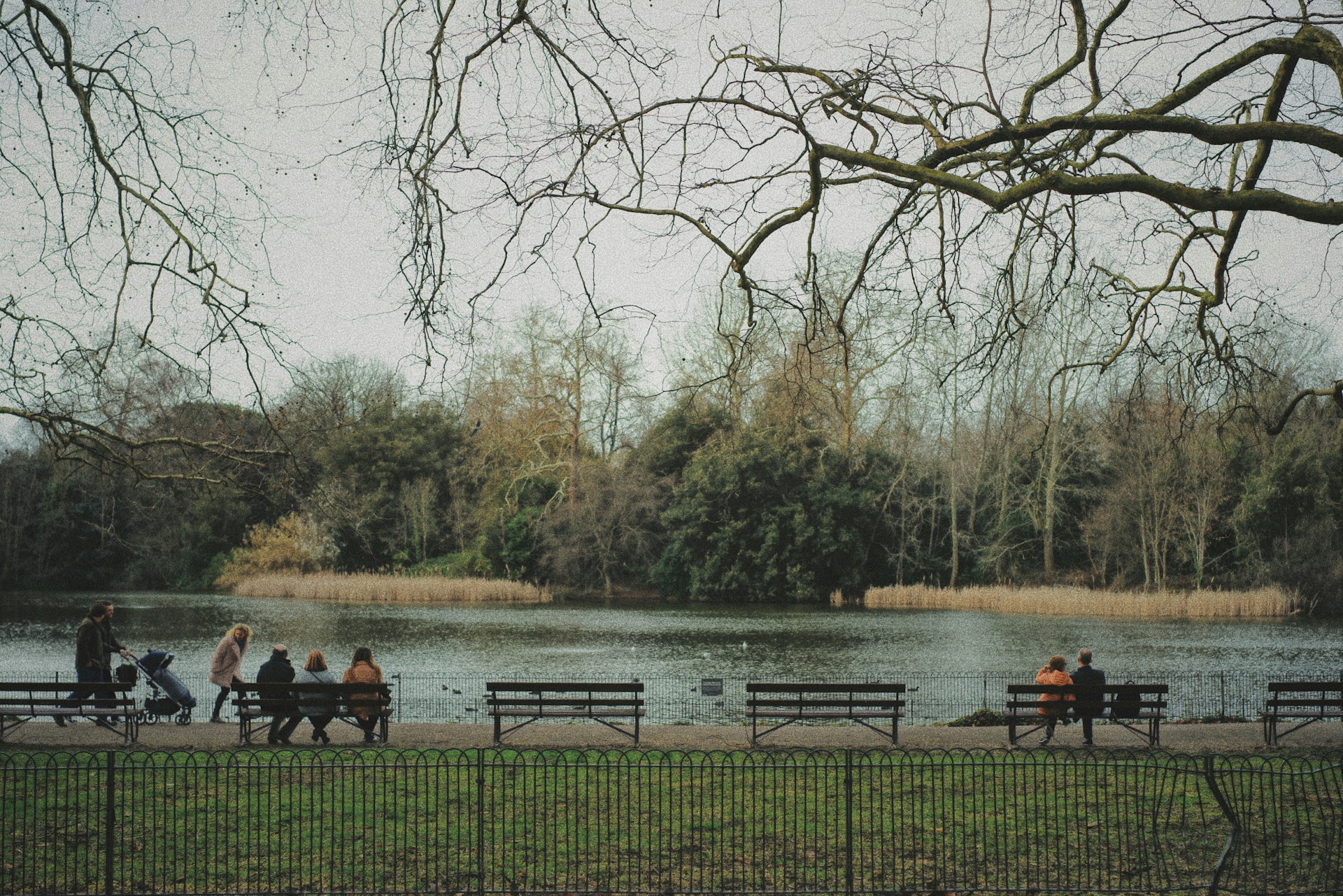
Battersea Park sits on the south bank of the Thames between Battersea and Chelsea, a compact yet diverse park threaded with paths, lawns and ornamental gardens. Nearby stations at Battersea Park and Queenstown Road, plus buses across Chelsea, Albert and Battersea bridges, give excellent links from both sides of the river.
Dogs can explore most of the park off lead but must avoid playgrounds, sports facilities and the Old English Garden. A perimeter loop around the carriage drives, combined with inner lawns and the riverfront, creates an easy hour’s circuit. The central lake, small woodland pockets and riverside café kiosks punctuate walks with natural pause points—useful for young or anxious dogs learning to settle.
Well suited to sociable, city‑confident dogs of all sizes, including rescue animals acclimatising to urban life who benefit from repeated, predictable routes.
- Dense path network and manageable size that allow flexible circuits, from quick comfort breaks to structured training sessions
- Strongly dog‑centred local culture, including regular breed meet‑ups and proximity to numerous animal‑care services in the wider Battersea area
- Immediate riverside access and public‑transport options that make it practical for sitters and owners travelling with dogs across South‑West London
Dog walking jobs London – South‑West London – Richmond Park (Richmond, Kingston and Roehampton)
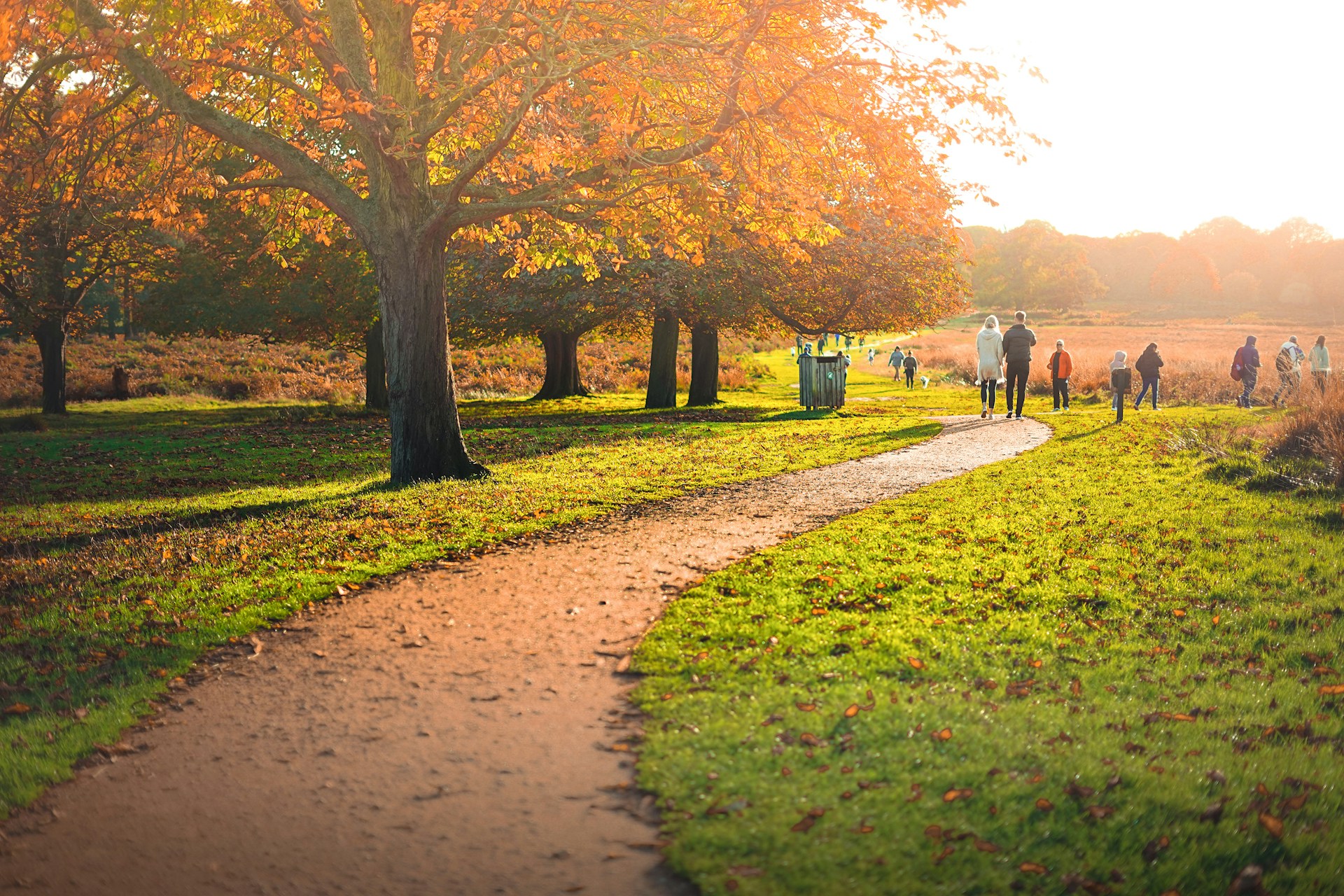
Richmond Park is London’s largest royal park, a 2,500‑acre expanse of grassland and woodland between Richmond, Kingston and Roehampton. Buses from Richmond, Norbiton and Kingston stations feed several vehicle and pedestrian gates, and the park links to the Thames Path and surrounding commons.
The park’s famous deer herds dictate its dog policy. Royal Parks rules and recent advisories require dogs to be on leads throughout the park during deer birthing season, from 1 May to 31 July, and always on leads near deer, ponds and signed conservation zones. Outside those constraints, vast tracts of open land remain available for controlled off‑lead exercise. Walkers are urged to stay at least 50 metres from deer and to consider alternative sites entirely if their dog shows any chase instinct.
Best for well‑trained, recall‑reliable dogs and experienced handlers; nervous or reactive animals may be better served by smaller, fenced parks during peak deer season.
- Immense size and varied habitats that suit high‑energy breeds such as Labradors, spaniels and retrievers needing long, physically demanding outings
- Clear, well‑publicised guidance on deer and wildlife that helps responsible owners plan safe visits at quieter times or on safer routes
- Links to Richmond’s riverfront, viewpoints and dog‑friendly pubs that allow walks to expand into half‑day mini‑adventures with built‑in rest stops
Dog walking jobs London – South‑West London – Wimbledon Common and Putney Heath (Wimbledon / Putney)
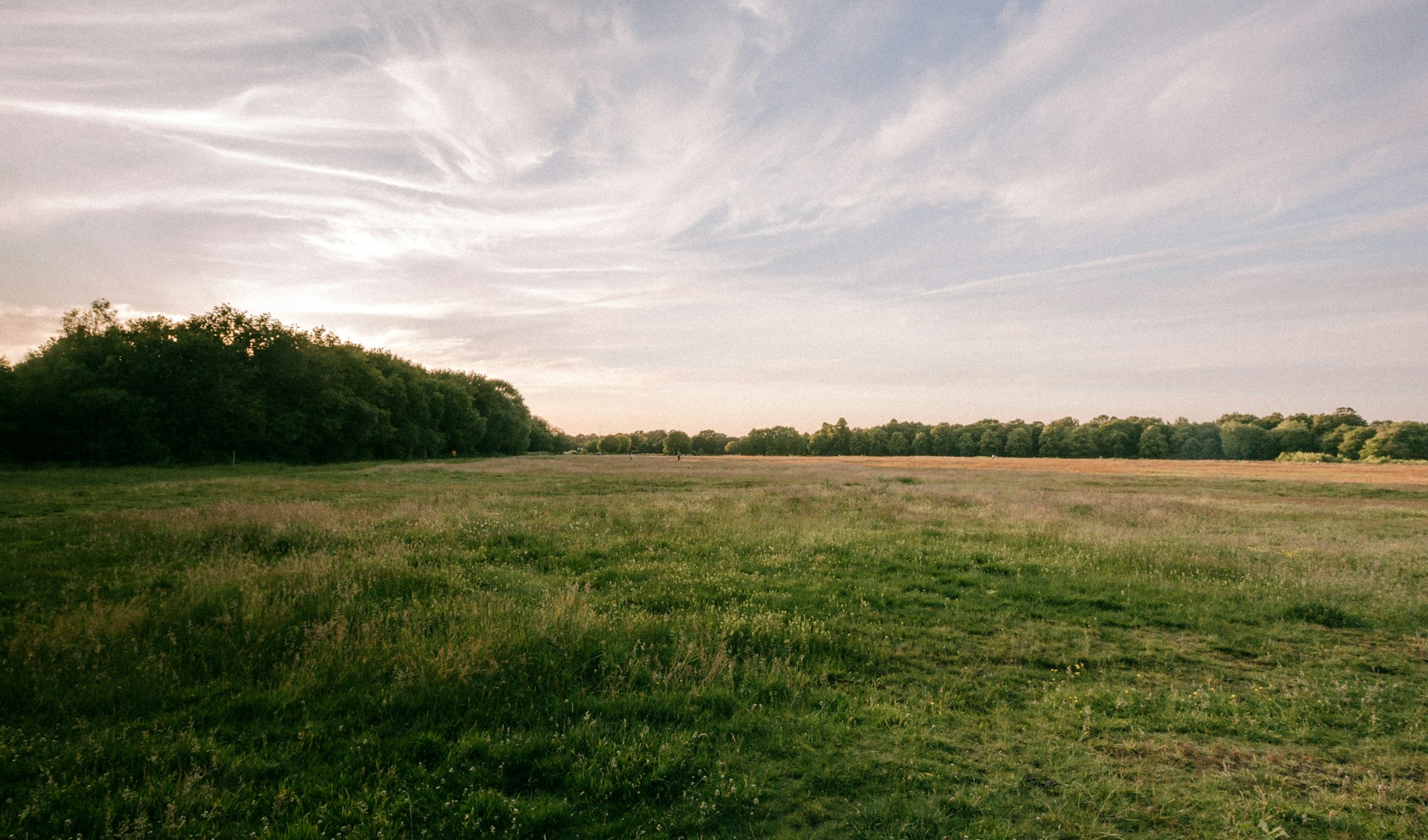
Wimbledon Common and adjoining Putney Heath stretch over roughly 460 hectares of heathland, woodland and ponds between Wimbledon, Putney and Roehampton. Access comes via Wimbledon, Southfields and Putney stations, bus routes along the A3 and a web of informal entrances from nearby streets.
The Common is managed as semi‑wild land. Dogs are free to roam off lead across most areas, with owners expected to keep them under control, avoid disturbing wildlife and respect sports pitches and any signed restrictions. Broad heather‑covered clearings alternate with shaded woodland tracks, while ponds and cafés provide obvious pause points. In practice, early‑morning scenes of off‑lead dogs socialising with regular walkers are typical.
Ideal for confident adult dogs with strong social skills; handlers of nervous dogs may prefer quieter edges or off‑peak times until confidence improves.
- Lightly managed, almost rural terrain that lets energetic working breeds run, track scents and practise off‑lead obedience at real distance
- Flexible routes that can be shortened for puppies or extended into longer training hikes towards Richmond Park or the Thames
- Close integration with surrounding neighbourhoods such as Southfields and Raynes Park, where many homes back directly onto the green, ensuring frequent, low‑effort access for daily walks
Dog walking jobs London – South and South‑East London – Greenwich Park and Thames Path (Greenwich)
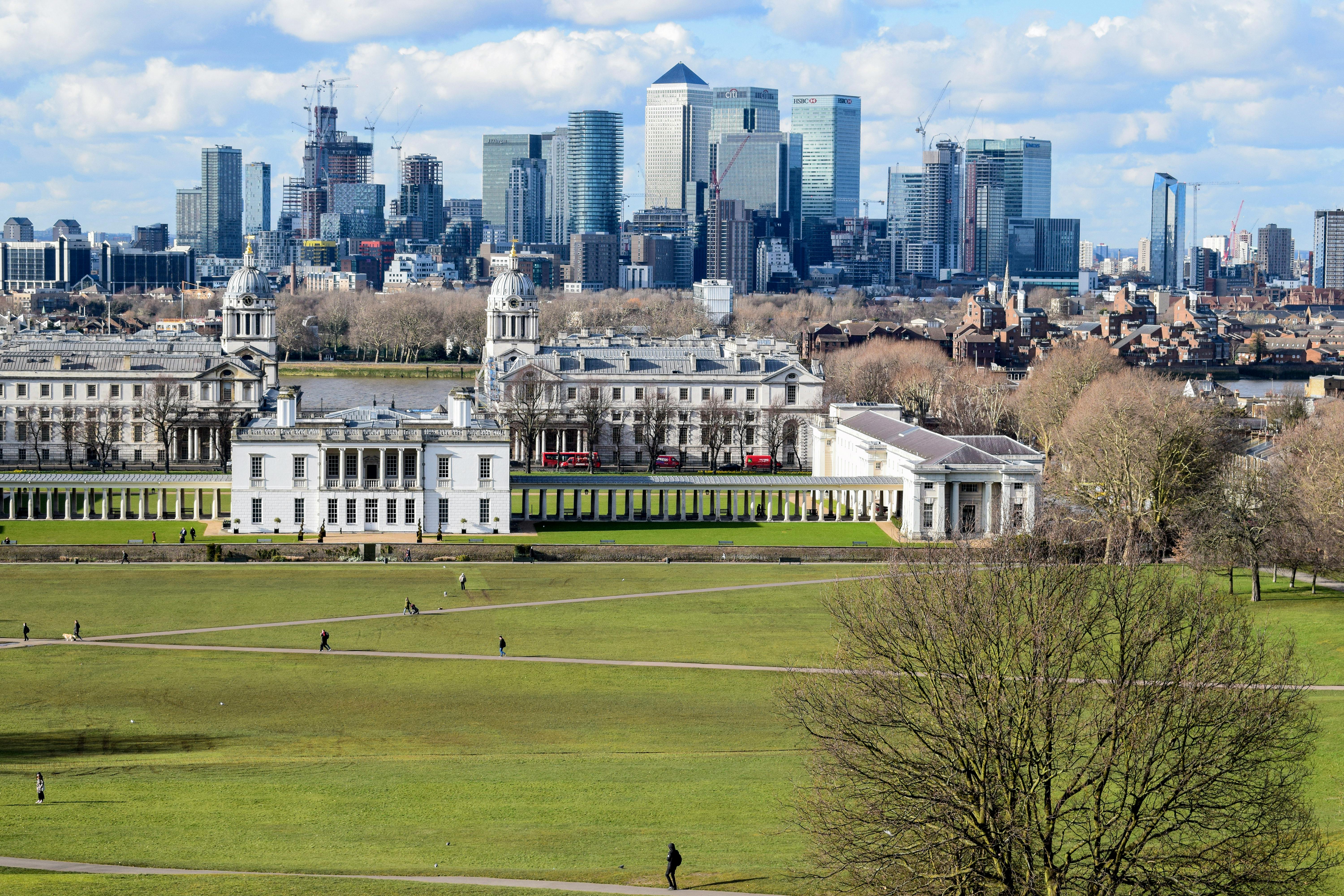
Greenwich Park crowns a hill above the Thames in South‑East London, overlooking the Old Royal Naval College and Canary Wharf. Greenwich and Maze Hill stations, the DLR, buses and riverside paths provide multiple approaches, with several historic gates encircling the park.
The park is a blend of open lawns, formal avenues and steeper slopes up to the Royal Observatory. Dogs are welcome across much of the site but must be on lead in the deer enclosure and other signed sensitive areas in the south‑east. From the lower gates, it is easy to drop onto the Thames Path, adding long, flat promenades towards Deptford or the O2—useful for elderly dogs or prams.
Well suited to sociable small and medium breeds, as well as adaptable mixed‑breed rescues comfortable with busy, people‑rich environments.
- The combination of steep hill and riverside paths allows one outing to serve both fit adult dogs and older companions with limited stamina
- Clear separation between on‑lead deer areas and open lawns makes it easier to manage prey‑driven or curious dogs safely
- Immediate access to Greenwich’s markets, cafés and dog‑friendly pubs enables walkers to weave errands and sightseeing into regular dog care, especially useful for visiting sitters
Dog walking jobs London – South and South‑East London – Crystal Palace Park (Crystal Palace / Penge)
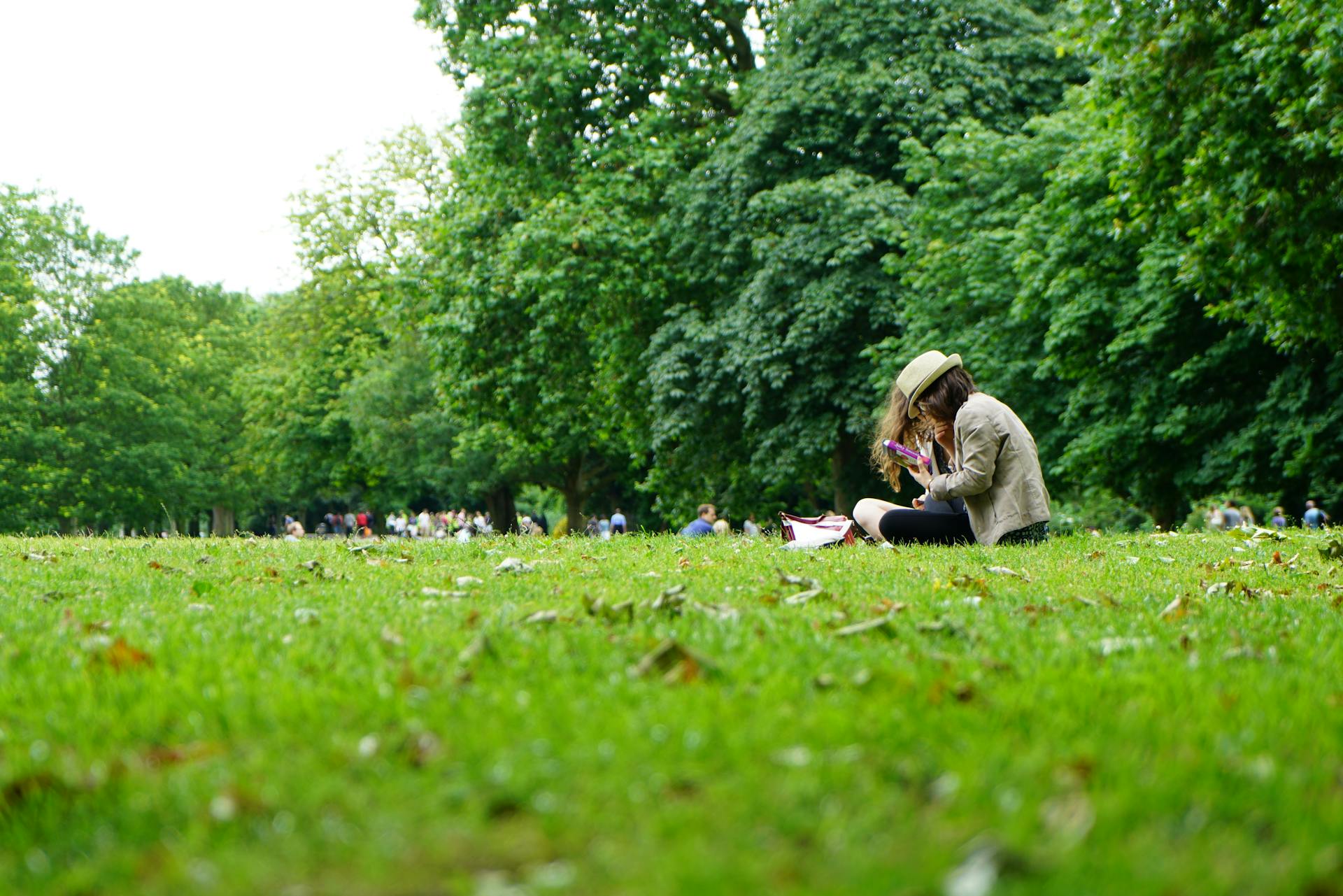
Crystal Palace Park, between Crystal Palace and Penge, is a distinctive Victorian landscape of terraces, lawns, woodland and lakes famous for its dinosaur sculptures and hedge maze. Crystal Palace, Penge West and Penge East stations, plus multiple bus routes, bring walkers from across South London, and car parks and side‑street entrances dot the perimeter.
Guides highlight broad open fields for off‑lead play, wooded paths for quieter sniffing walks and the central lake as a focal point. Families often follow the dinosaur trail while dogs trot alongside on or off lead depending on crowd levels. Local rules stress keeping dogs under control near play areas and events, but the general tone is relaxed and community‑minded.
Particularly good for medium‑energy family dogs walking with children, and for mixed‑breed rescues building confidence in a lively but not overwhelming setting.
- A playful layout that keeps repeated walks interesting, combining formal features, wooded corners and open grass in compact form
- Good visibility on the main lawns, which helps with recall training and managing multi‑dog groups while avoiding conflicts
- Robust transport links and parking that make it a realistic “destination park” for owners and sitters across South and South‑East London
Dog walking jobs London – East London – Victoria Park (Bethnal Green / Hackney)
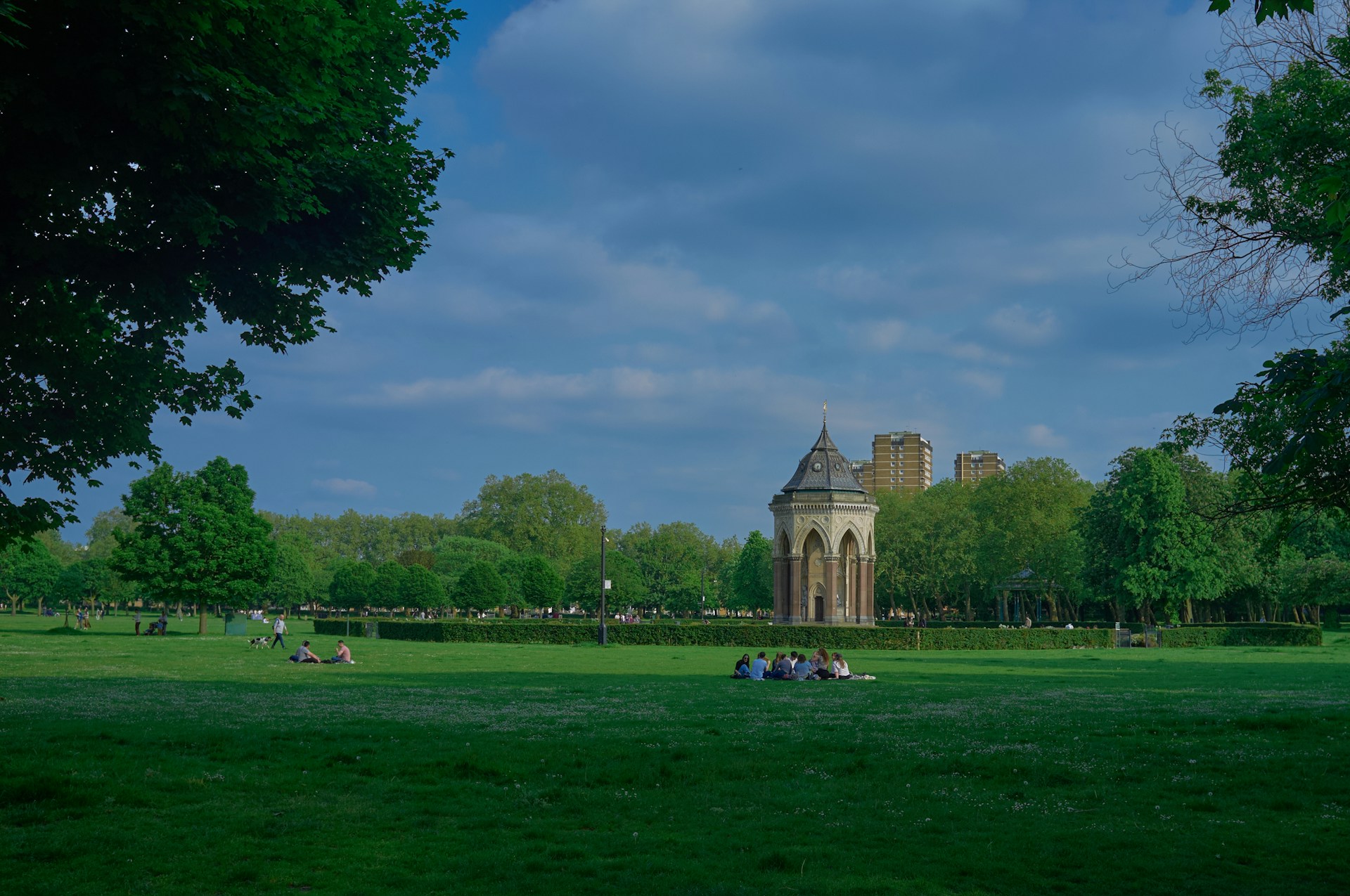
Victoria Park spans the border between Tower Hamlets and Hackney and is widely regarded as East London’s classic dog park. Bethnal Green, Cambridge Heath and Hackney Wick stations lie close by, and a ring of gates and canalside paths makes it easily accessible on foot or bike.
The park offers extensive, level lawns, lakes, ornamental gardens and quieter side pockets. Most areas are open to off‑lead dogs, with exclusions for children’s playgrounds and occasional event fields. The largely enclosed feel—roads and, in places, fences around the perimeter—reassures owners working on recall with new rescues or adolescent dogs. Canal towpaths along the Regent’s Canal and Hertford Union Canal extend walks towards the Olympic Park and beyond.
Especially suitable for sociable dogs comfortable around bikes, prams and other off‑lead dogs, including collies, retrievers and active mixed‑breed companions.
- Wide, flat lawns and long sightlines that are ideal for fetch, recall drills and letting energetic dogs burn speed in relative safety
- Seamless links to canals and other parks that turn a simple outing into a longer urban adventure for fit adult dogs and runners with canine partners
- A thriving café culture in and around the park, making it easy to break walks into stages and give puppies or senior dogs structured rest stops
Dog walking jobs London – East / North‑East London – Wanstead Flats, Epping Forest (Forest Gate / Wanstead)
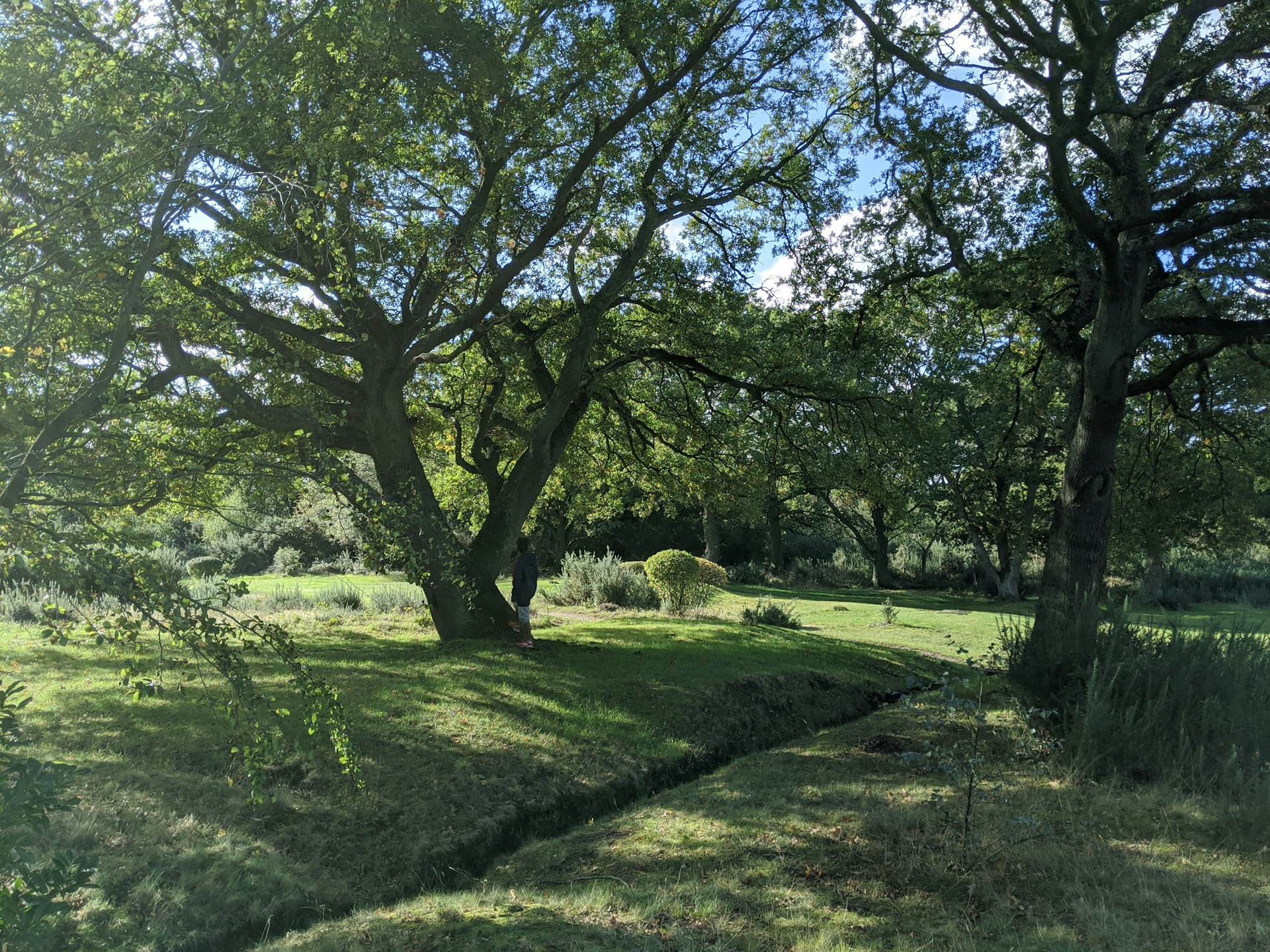
Wanstead Flats forms the southern grassland edge of Epping Forest, lying between Forest Gate, Manor Park and Wanstead. It is reached from Forest Gate, Manor Park and Wanstead Park stations, with surrounding streets opening directly onto common land that feels far wilder than its Zone‑3 setting.
The landscape is open, gently undulating grassland dotted with small copses and a lake, crossed by informal paths rather than formal avenues. Local descriptions highlight its role as a favourite off‑lead exercise area for East London dogs, especially in the early morning. Rules focus on controlling dogs around wildlife, horses and ground‑nesting birds, and on cleaning up, but there are few fences, so owners rely heavily on good recall.
Best for high‑stamina dogs with strong recall and handlers comfortable reading canine body language in open, multi‑use landscapes.
- Vast, mostly unenclosed grassland that allows confident dogs to run at full speed, a rare experience within easy reach of central London
- Convenient access for residents of Newham and Redbridge, where many homes lack gardens and alternative big open spaces are limited
- The option to extend outings into the deeper woods of Epping Forest, providing progressive training for dogs and owners preparing for longer countryside hikes